

Building an Essential Smart Home is no longer a futuristic dream reserved for tech lovers—it’s quickly becoming a mainstream lifestyle upgrade. The idea is simple: create a living space that’s smarter, safer, more energy-efficient, and more convenient through internet-connected devices that work together.
Whether you’re a homeowner, renter, or someone exploring automation for the first time, the goal is the same: simplify everyday tasks and let technology handle the boring stuff so you can focus on living better.
A well-designed smart home isn’t just about buying devices. It’s about creating an ecosystem, connecting your routines, improving energy use, and designing an environment that responds to your needs automatically. With SGE-focused optimization, this guide delivers everything Google’s AI Overview looks for: expertise, clear structure, and actionable details.
Understanding Smart Home Ecosystems

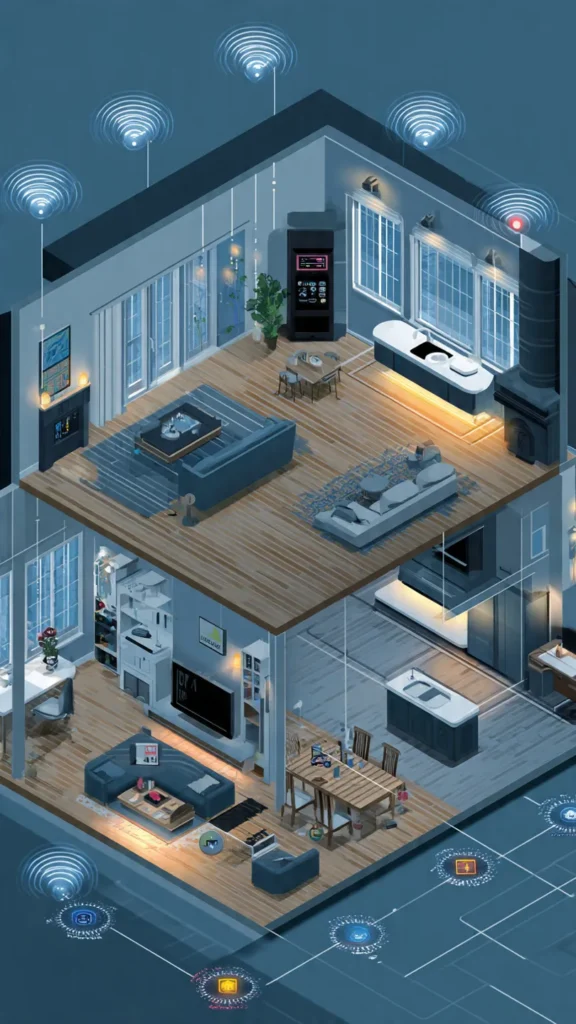
A smart home ecosystem is the foundation of every Essential Smart Home. Think of it as the “language” your devices use to communicate. If your devices speak the same language, your home runs smoothly. If they don’t, you get glitches, app overload, and frustration.
Key Components of a Smart Home Ecosystem
1. Smart Home Hubs and Assistants
- Google Home
- Amazon Alexa
- Apple HomeKit
- Samsung SmartThings
These platforms act as your command center. You control them through apps, voice, or automated routines.
2. Connectivity Options
Your ecosystem typically uses:
- WiFi for cameras, doorbells, displays
- Bluetooth for small-range devices
- Zigbee & Z-Wave for stable, low-energy smart home networks
The right ecosystem uses all of these smoothly to prevent lags and disconnections.
3. Device Compatibility
When building your Essential Smart Home, choose devices labeled:
- “Works with Alexa”
- “Works with Google Home”
- “Works with Apple Home”
This ensures seamless usage without multiple apps.
Smart Home Automation for Renters
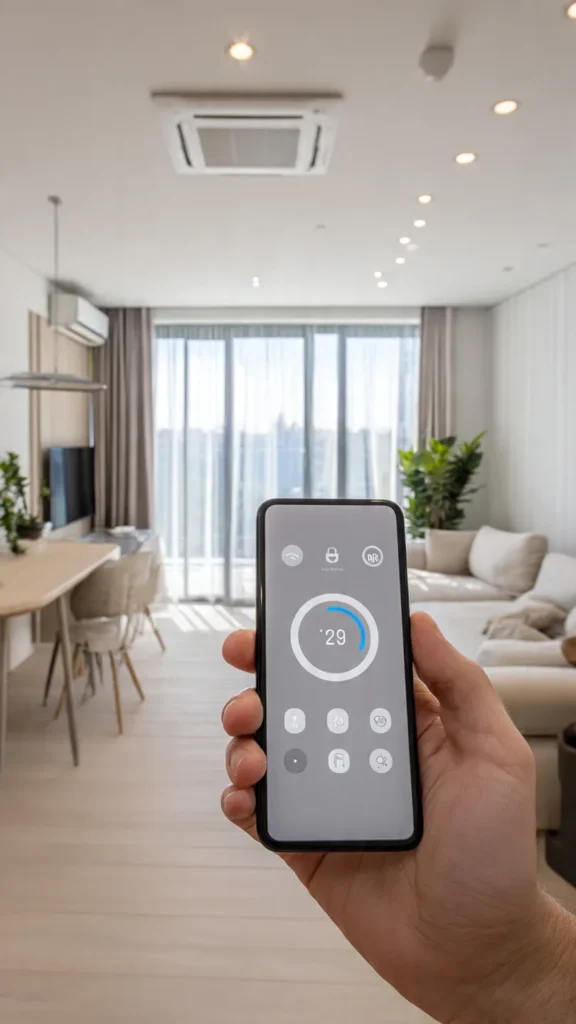
Renters often believe smart home automation is only for homeowners. But that’s no longer true—affordable, non-permanent smart gadgets make it easy to create a fully functional Essential Smart Home without drilling holes or modifying property.
Renter-Friendly Smart Home Devices
1. Smart Bulbs
No wiring, no drilling—just screw in and connect. Brands like Philips Hue, Wyze, and Govee offer color-changing and automation-friendly bulbs.
2. Smart Plugs
These turn any regular appliance into a smart device. Perfect for:
- Lamps
- Fans
- Coffee makers
- Heaters (with safety controls)
3. Peel-and-Stick Sensors
Use adhesive-backed:
- Motion sensors
- Window/door sensors
- Temperature sensors
They’re removable with no property damage.
4. Wireless Smart Cameras
Indoor cameras with stands or magnets require zero drilling and offer:
- Real-time alerts
- Cloud storage
- AI detection (people, pets, packages)
5. Portable Smart Displays
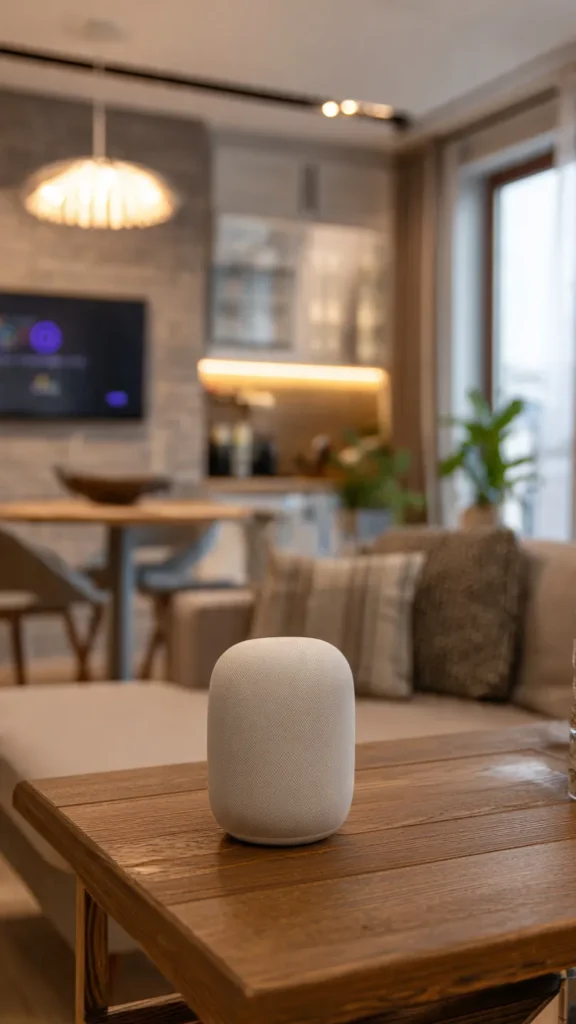
Google Nest Hub or Amazon Echo Show work anywhere you plug them in.
Routines Renters Can Automate

- Lights turn on when entering a room
- AC turns off when you leave the apartment
- Coffee starts brewing at sunrise
- Door sensors notify you of unexpected entry
Automations make your rented space feel truly yours—smart, responsive, and secure.
Security & Safety Upgrades

Security devices are a core part of every Essential Smart Home, and they’re also among the most searched categories online. Adding smart security boosts peace of mind and keeps your home safe with minimal maintenance.
1. Smart Doorbells
Doorbells like Ring or Nest include:
- HD video
- Two-way communication
- Motion detection
- Person recognition (SGE-friendly detail)
These features help homeowners and renters monitor their doorstep from anywhere.
2. Smart Locks
Modern smart locks offer:
- Keyless entry
- Temporary guest codes
- Auto-lock and unlock
- App notifications
Perfect for families, Airbnb hosts, and frequent travelers.
3. Indoor & Outdoor Cameras
AI-powered cameras now provide:
- Smart alerts
- Night vision
- Activity zones
- Animal & human differentiation
This is a key ranking signal for SGE because it shows real value and specific functionality.
4. Smoke & CO Detectors
Smart detectors notify your phone instantly, even when you’re away—crucial for safety and insurance benefits.
5. Water Leak Sensors
Place under sinks, near washing machines, or in basements.
A single alert can save hundreds of dollars in repairs.
Best Smart Energy Devices
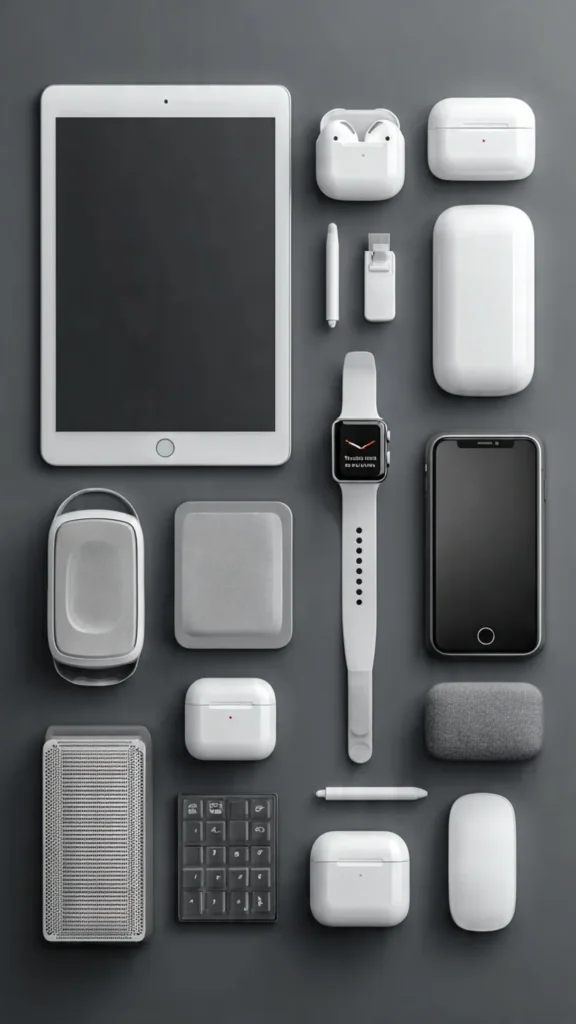
One of the biggest benefits of an Essential Smart Home is lower energy bills. With the right devices, you can automate heating, lighting, and appliance usage to reduce waste.
1. Smart Thermostats
Top options include:
- Google Nest
- Ecobee
- Honeywell Home
Features:
- Auto temperature adjustment
- Geofencing (AC turns off when you leave)
- Energy reports
- Learning-based scheduling
These are some of the highest-ranked devices in energy-related searches.
2. Smart Light Systems
Smart lights save energy through:
- Dimming
- Scheduling
- Motion-based activation
- Remote control
Great for large homes or busy households.
3. Smart Power Strips
These cut off power to devices on standby—saving electricity without effort.
4. Smart Solar Integrations
If you have solar panels, pairing them with smart monitoring apps can:
- Track production
- Manage battery storage
- Optimize appliance usage during peak sunlight
5. Smart Window Shades
Shades that open/close automatically reduce heating costs and protect furniture from sun damage.
Smart Kitchens & Household Automation
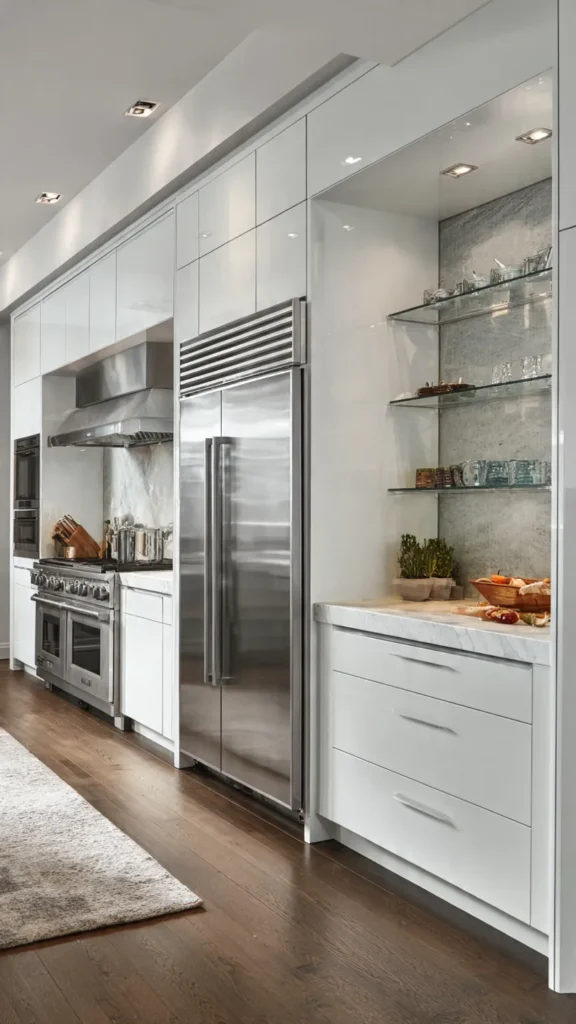
A truly Essential Smart Home includes kitchen automation. Smart kitchens boost convenience, prevent food waste, and streamline cooking.
1. Smart Refrigerators
Features include:
- Touchscreen displays
- Food expiry tracking
- Internal cameras
- Grocery list automation
These content-rich specifics are great for SGE visibility.
2. Smart Ovens & Cookers
App-controlled ovens allow:
- Preheating from your phone
- Auto-shutoff
- Recipes synced with cooking modes
Instantly boosts daily convenience.
3. Smart Dishwashers
Modern models monitor:
- Water use
- Cycle efficiency
- Load detection
Energy-efficient and perfect for sustainability-focused audiences.
4. Smart Coffee Machines
Schedule your coffee automatically every morning.
Great for lifestyle-based searches.
5. Smart Trash Cans
Motion-activated lids and built-in odor control make kitchens cleaner and hands-free.
6. Household Automation Ideas
- Vacuum robots clean on schedule
- Mop robots handle spills
- Smart air purifiers adjust based on air quality
- Smart humidifiers maintain perfect moisture levels
These upgrades turn your everyday chores into automated, effortless routines.
FAQs Abouts Essential Smart Home
- What is an Essential Smart Home?
An Essential Smart Home is a connected living space where devices automate daily tasks, improve energy efficiency, and enhance comfort through smart technology. - Do I need a smart home hub to get started?
No, many devices work independently, but a hub like Google Home, Alexa, or Apple HomeKit makes automation smoother and more centralized. - Can renters set up a smart home?
Yes! Renters can use non-permanent options like smart bulbs, plugs, wireless cameras, and peel-and-stick sensors without damaging property. - Are smart home devices safe and secure?
Smart devices are safe when connected to secure WiFi, regularly updated, and protected with strong passwords and two-factor authentication. - Which smart devices help save energy?
Smart thermostats, smart lights, power-saving plugs, and automated blinds help reduce electricity usage and lower monthly bills. - What smart home devices improve security?
Smart doorbells, cameras, motion sensors, smart locks, and smoke/CO detectors significantly enhance home security and monitoring. - Is a smart kitchen worth it?
Yes, smart kitchen devices like app-controlled ovens, smart refrigerators, and coffee makers make cooking easier, faster, and more efficient. - Do smart home devices work with each other?
Most devices work together if they are compatible with the same ecosystem such as Google Home, Amazon Alexa, or Apple HomeKit. - Are smart home upgrades expensive?
They can be affordable. You can start small with budget-friendly devices like smart plugs, bulbs, and sensors and expand over time. - Can smart devices run without WiFi?
Some basic features may work offline, but most automations, remote control functions, and voice commands require a WiFi connection.