
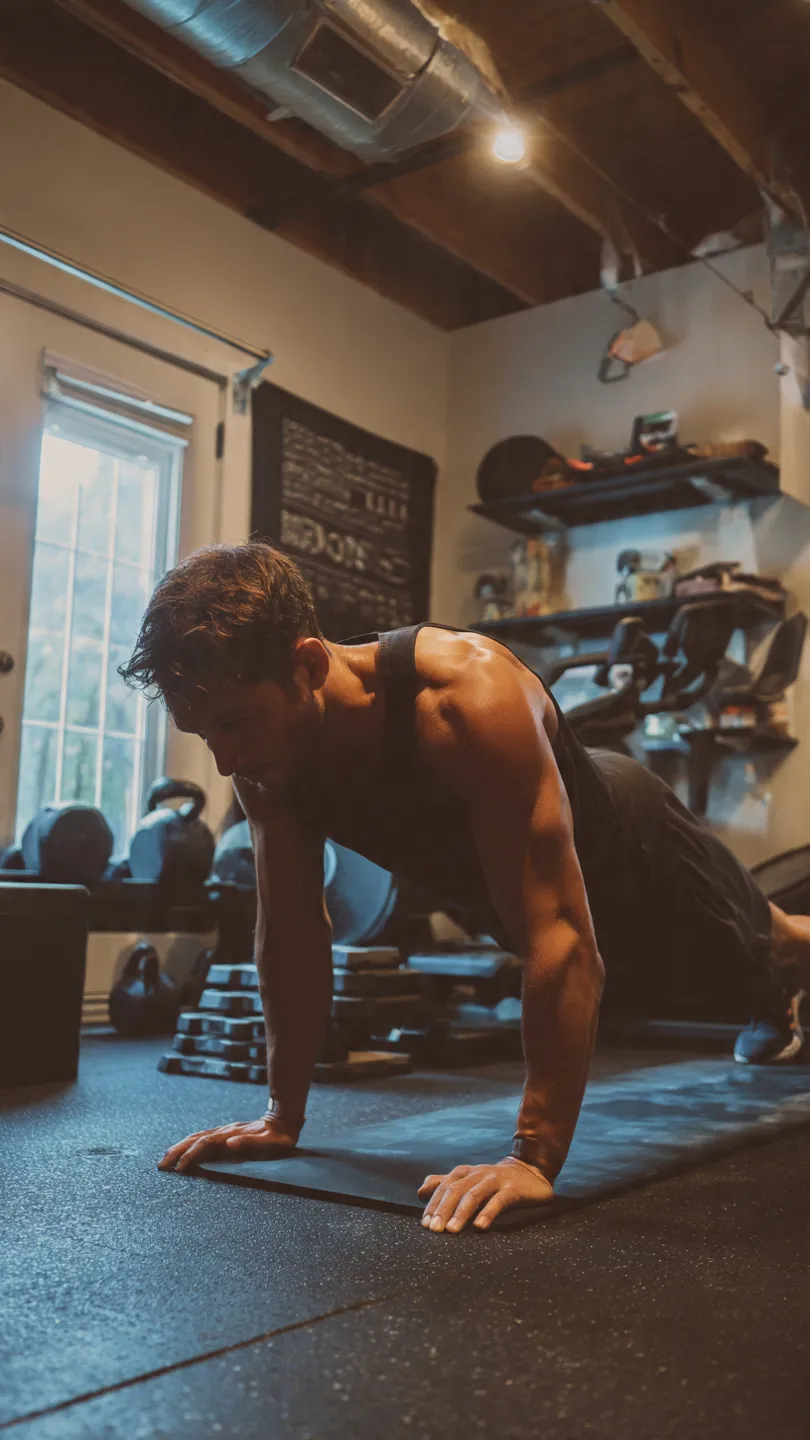
A workout is more than just physical movement—it’s a daily investment in your health, confidence, and long-term energy. Whether your goal is fat loss, strength, or overall wellness, choosing the right workout style makes a huge difference.
This guide breaks down the most effective workout types in a simple, easy-to-read format. Each section is designed to help beginners and experienced fitness lovers build consistency, stay motivated, and see real results.
Home Workout

A home workout is one of the most convenient ways to stay active. You don’t need a gym membership, expensive machines, or long travel times. All you need is commitment and a small space.
Home workouts are perfect for busy schedules and people who prefer privacy. They also help build consistency, which is the foundation of any successful workout routine.
Key benefits of a home workout:
- No gym fees or commuting
- Flexible workout timing
- Comfortable environment
- Easy to stay consistent
Popular home workout exercises include squats, push-ups, lunges, planks, and stretching routines. When done regularly, a home workout can improve strength, mobility, and mental focus.
Full Body Workout
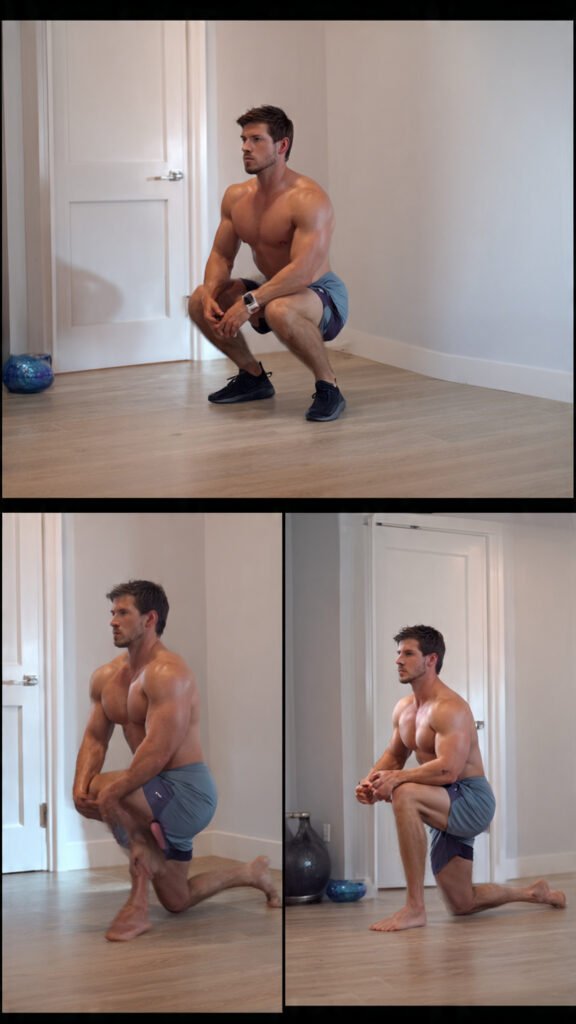
A full body workout targets all major muscle groups in one session. This includes the legs, arms, chest, back, core, and shoulders.
This workout style is ideal for people who want maximum results in minimum time. Instead of splitting workouts across multiple days, you train your entire body in one powerful session.
Why full body workouts are effective:
- Burn more calories per session
- Improve overall muscle balance
- Save time
- Increase muscle coordination
Common full body workout exercises include deadlifts, push-ups, squats, rows, and overhead presses. Performing these movements together increases heart rate while building strength.
A consistent full body workout helps improve posture, endurance, and long-term fitness.
Fat Loss Workout

A fat loss workout focuses on burning calories while preserving muscle. The goal is not just weight loss, but sustainable body transformation.
Fat loss workouts work best when intensity and recovery are balanced. Extreme routines often lead to burnout, while smart workouts create lasting results.
Effective fat loss workout strategies:
- High-intensity interval training (HIIT)
- Circuit training with short rest
- Strength + cardio combinations
- Progressive overload
Exercises like burpees, jump squats, mountain climbers, and kettlebell movements are commonly used in fat loss workouts.
When paired with proper nutrition and sleep, a fat loss workout improves metabolism, boosts energy levels, and enhances overall confidence.
Beginner Workout
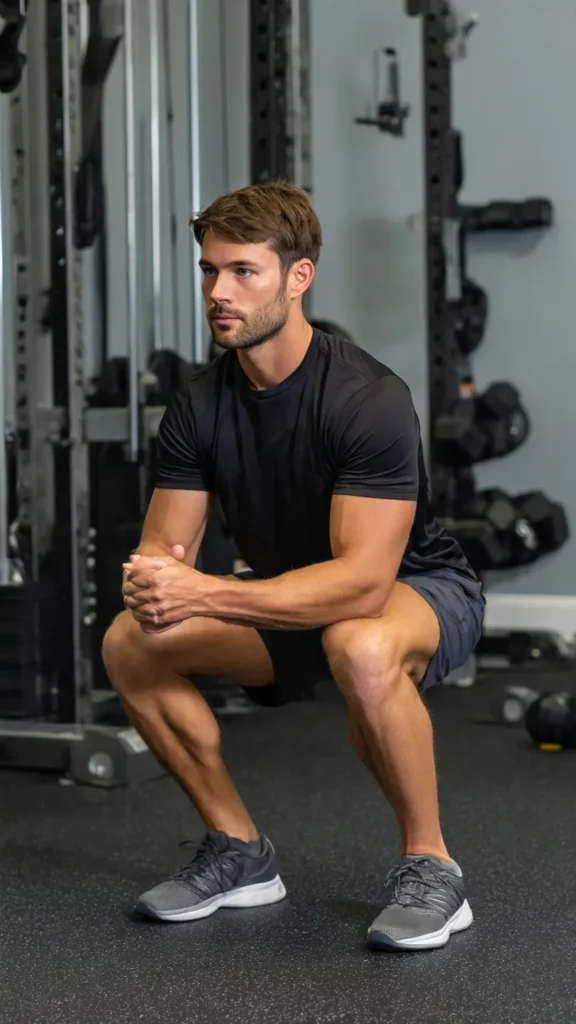
A beginner workout should be simple, safe, and confidence-building. Starting slow is not a weakness—it’s the smartest way to avoid injuries and stay consistent.
Beginner workouts focus on learning proper form, improving mobility, and building basic strength. These workouts are usually shorter and less intense.
Best practices for beginner workouts:
- Start with 15–30 minutes
- Use controlled movements
- Focus on breathing and posture
- Rest when needed
Beginner-friendly exercises include chair squats, wall push-ups, step-backs, light stretching, and walking-based cardio.
A beginner workout builds the foundation for more advanced routines while helping new fitness enthusiasts enjoy the process.
No Equipment Workout
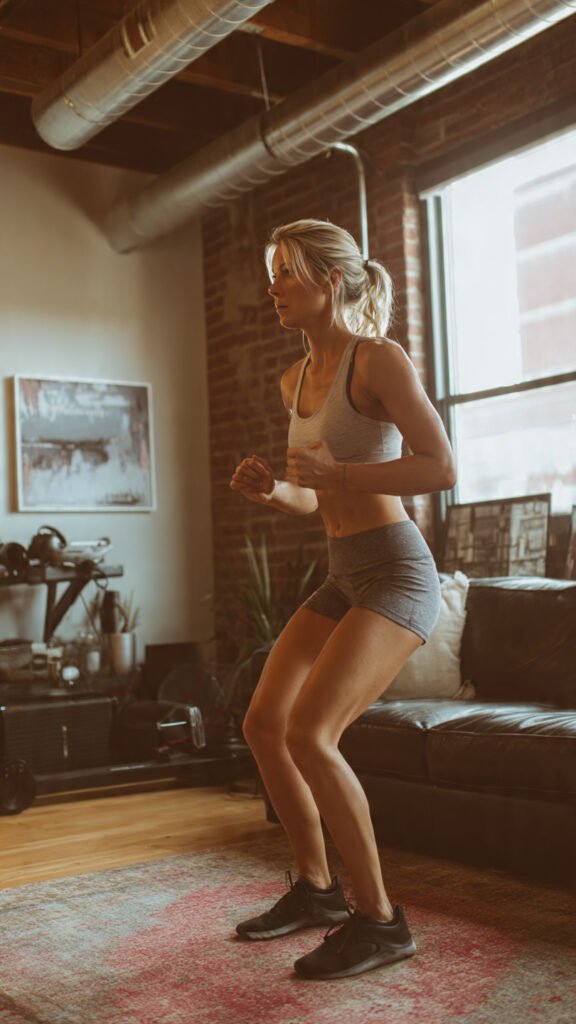
A no equipment workout proves that you don’t need machines to get fit. Your body weight alone is enough to build strength, burn fat, and improve endurance.
This workout style is ideal for travel, small spaces, and people who want flexibility in their fitness routine.
Advantages of no equipment workouts:
- Can be done anywhere
- Improve functional strength
- Reduce workout excuses
- Increase body control
Common no equipment workout exercises include push-ups, squats, planks, lunges, jumping jacks, and sit-ups.
Because these workouts rely on natural movement patterns, they improve balance, coordination, and overall athletic performance.
Cardio Workout
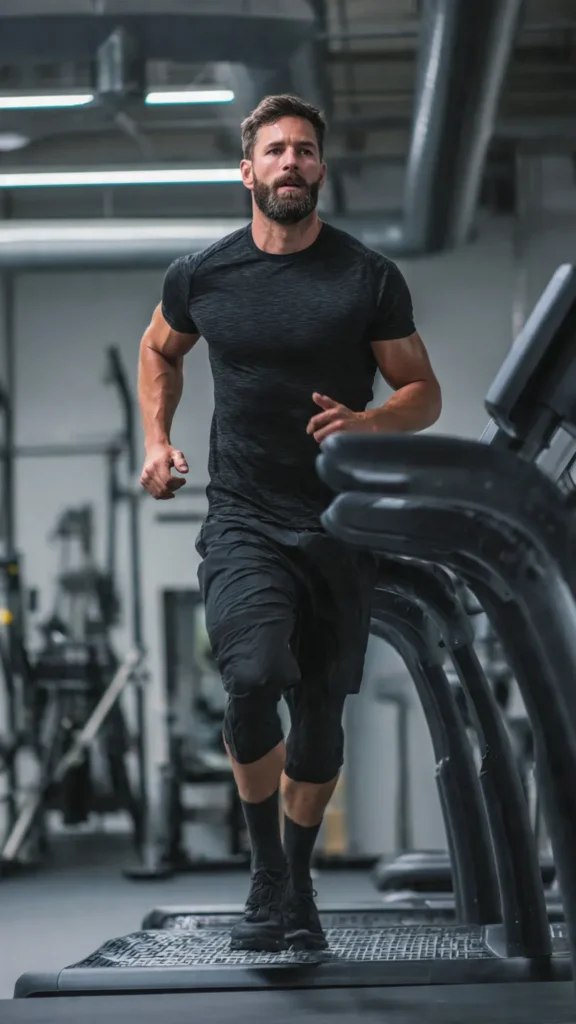
A cardio workout focuses on increasing heart rate and improving cardiovascular health. It plays a crucial role in fat loss, stamina, and mental well-being.
Cardio workouts can be low-impact or high-intensity, depending on fitness level and goals.
Popular cardio workout options:
- Brisk walking
- Running or jogging
- Cycling
- Jump rope
- Dance workouts
Cardio workouts help strengthen the heart, improve lung capacity, and reduce stress. They also release endorphins, making workouts feel energizing rather than exhausting.
Adding cardio to your weekly workout routine improves endurance and supports long-term health.
How to Build a Balanced Workout Routine
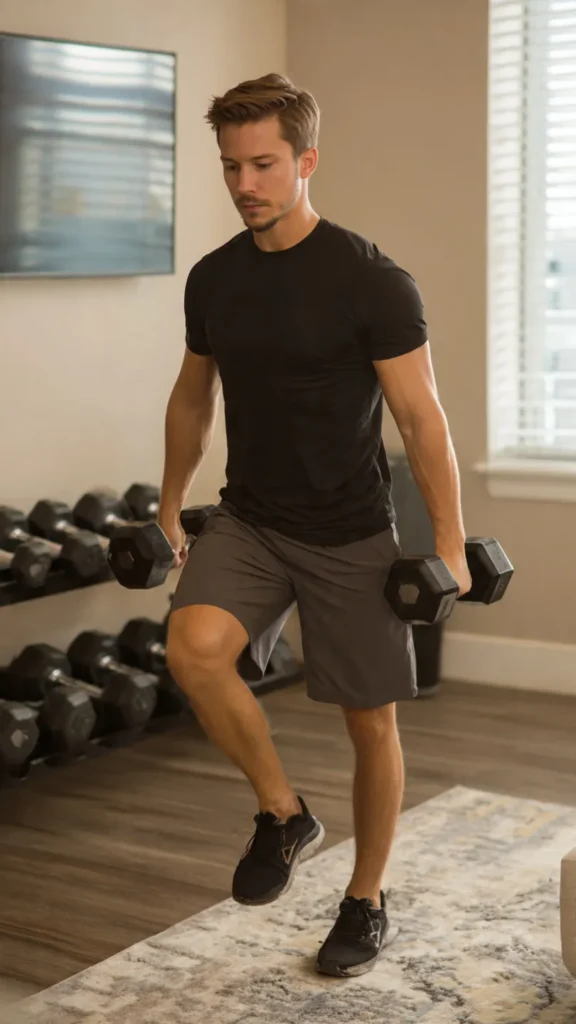
For best results, combine multiple workout types throughout the week. This keeps your body challenged and prevents boredom.
Example weekly workout structure:
- 2 days full body workout
- 2 days cardio workout
- 1–2 days fat loss or no equipment workout
- 1 rest or recovery day
This approach improves strength, burns fat, and allows proper recovery.
Final Thoughts
A workout routine should fit your lifestyle—not overwhelm it. Whether you choose a home workout, beginner workout, or intense fat loss workout, consistency matters more than perfection.
Start where you are, stay patient, and build habits that support your long-term health. The right workout doesn’t just transform your body—it improves focus, confidence, and overall quality of life.
FAQs Abouts Workouts
- What is the best workout for beginners?
A beginner workout should focus on simple movements, proper form, and short sessions. Exercises like wall push-ups, chair squats, and light stretching are perfect starting points. - How often should I do a full body workout?
A full body workout can be done 2–3 times per week, allowing rest days in between for recovery and muscle growth. - Can I lose fat without going to the gym?
Yes! Fat loss workouts can be done at home or anywhere with no equipment. High-intensity intervals, bodyweight circuits, and cardio exercises are very effective. - What is the difference between a no equipment workout and a home workout?
A no equipment workout focuses on exercises that use only your body weight, while a home workout may include light equipment like dumbbells or resistance bands but is performed at home. - How long should a cardio workout be?
Cardio workouts typically range from 20 to 45 minutes, depending on intensity. Beginners can start with 15–20 minutes and gradually increase duration. - Can I combine different types of workouts in one week?
Absolutely! A balanced weekly routine can include full body workouts, cardio, fat loss, and no equipment sessions. This improves strength, stamina, and prevents boredom. - Is it necessary to rest between workouts?
Yes, rest is important for recovery, preventing injuries, and allowing muscles to grow stronger. Plan at least 1–2 rest days per week. - Do I need special equipment for a home workout?
Not necessarily. Many effective home workouts use just body weight. Optional equipment like resistance bands, dumbbells, or a yoga mat can enhance your routine. - How can I stay motivated for workouts at home?
Set clear goals, create a schedule, follow structured routines, and use motivational cues or quotes to keep consistency and make workouts enjoyable. - Can beginners do cardio workouts safely?
Yes! Beginners should start with low-impact cardio like brisk walking, stationary cycling, or gentle dance workouts, gradually increasing intensity over time.