
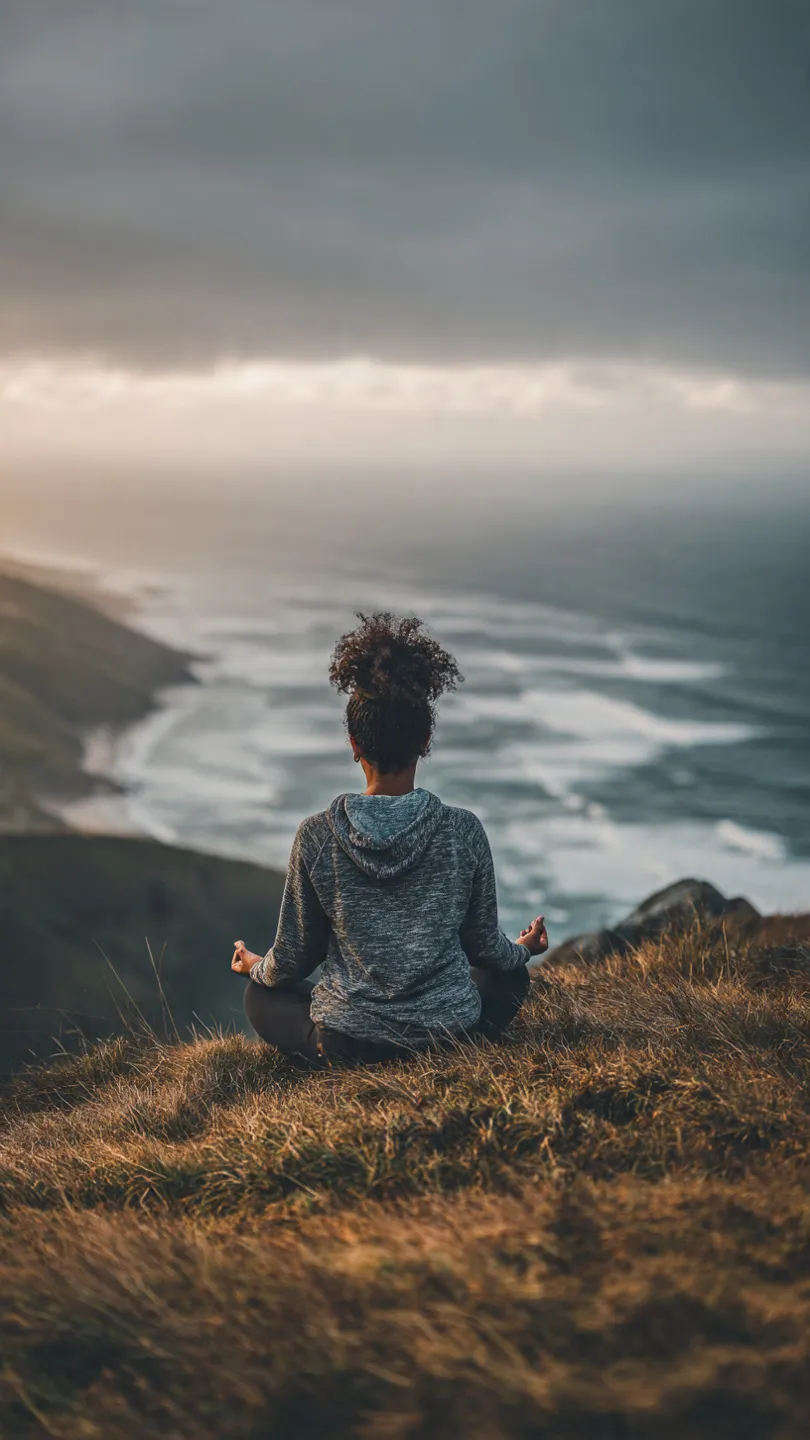
Mental health is essential for living a balanced, happy, and productive life. While stress and daily responsibilities can sometimes feel overwhelming, adopting simple, consistent practices can make a significant difference. These mental health tips are designed to help you manage stress, improve focus, and boost overall well-being.
Whether you’re at home, work, or on the go, integrating small habits can lead to lasting improvements in emotional and mental health.
Morning Mindfulness Rituals

Starting your day with mindfulness can set a positive tone for the entire day. Morning mindfulness rituals help reduce stress, increase focus, and improve emotional regulation.
Ideas for morning mindfulness include:
- Deep breathing exercises
- Short meditation sessions (5–10 minutes)
- Journaling or gratitude practices
- Mindful tea or coffee routines
Consistently practicing mindfulness in the morning allows your mind to start the day with calm and clarity, creating a foundation for better mental health.
Creative Expression Through Art

Creative expression is a powerful mental health tip. Engaging in art allows you to process emotions, relieve stress, and stimulate your mind.
You don’t need to be a professional—simple activities like:
- Drawing or painting
- Writing poetry or journaling
- Crafting or DIY projects
- Music and dance
These activities promote self-expression, emotional release, and a sense of accomplishment, all of which contribute to improved mental well-being.
Nature Walks and Outdoor Time

Spending time in nature is one of the most effective ways to enhance mental health. Nature walks and outdoor time reduce stress hormones, increase endorphins, and improve mood.
Ways to integrate nature into daily life:
- Walking in parks or green spaces
- Gardening or caring for plants
- Hiking in natural trails
- Simply sitting outdoors and observing your surroundings
Regular outdoor time improves focus, energy levels, and emotional resilience.
Structured Daily Routines

Structured daily routines provide a sense of stability and control, which are essential for mental health. A consistent routine reduces anxiety and helps manage time more effectively.
Tips for creating structured routines:
- Set regular wake-up and sleep times
- Schedule work, leisure, and self-care blocks
- Include short breaks throughout the day
- Plan meals and physical activities in advance
Routines minimize decision fatigue and create predictable patterns that support emotional well-being.
Engaging in Physical Fitness

Physical fitness is closely linked to mental health. Exercise boosts endorphins, reduces stress, and improves sleep quality.
Popular fitness activities include:
- Walking, running, or cycling
- Yoga or Pilates
- Strength training or bodyweight exercises
- Group fitness classes
Consistency is key—regular exercise, even in small amounts, has profound effects on mood, energy, and cognitive function.
Cooking and Nutrition

What you eat directly impacts your mental health. Balanced nutrition provides essential nutrients that support brain function, mood regulation, and energy levels.
Mental health-friendly nutrition tips:
- Include whole grains, lean proteins, and fresh fruits/vegetables
- Reduce processed foods, sugar, and caffeine
- Stay hydrated
- Explore cooking as a mindful, relaxing activity
Cooking your own meals also fosters creativity, mindfulness, and a sense of accomplishment.
Practicing Deep Breathing

Deep breathing exercises are a quick and effective mental health tip to reduce stress and improve focus. They help calm the nervous system and lower cortisol levels.
Techniques include:
- Box breathing: inhale for 4 seconds, hold for 4, exhale for 4, hold for 4
- Diaphragmatic breathing: deep breaths engaging the diaphragm
- Guided breathing apps or audio sessions
Practicing deep breathing several times a day can instantly improve emotional control and reduce feelings of anxiety.
Why Mental Health Tips Matter

Mental health tips are not just about preventing stress—they’re about creating a sustainable, balanced lifestyle. Regular self-care and intentional practices help:
- Improve emotional resilience
- Enhance focus and productivity
- Strengthen relationships
- Promote physical health
- Foster a sense of inner peace
Integrating these tips into daily life ensures long-term benefits and a higher quality of life.
Tips for Maintaining Mental Health Daily

- Start small—incorporate one or two practices at a time
- Be consistent with routines and rituals
- Prioritize sleep and rest
- Limit excessive screen time and digital distractions
- Reach out for support when needed
Final Thoughts
Mental health is a journey, not a destination. By practicing morning mindfulness, engaging in creative expression, spending time outdoors, maintaining routines, exercising, eating well, and practicing deep breathing, you can cultivate lasting mental wellness.
Implementing these mental health tips daily empowers you to navigate life’s challenges with resilience, calm, and clarity, creating a life of balance and inner peace.
FAQs Abouts Mental Health Tips
- What are some effective mental health tips?
Effective mental health tips include practicing mindfulness, engaging in creative expression, spending time outdoors, maintaining structured routines, exercising regularly, eating nutritious meals, and practicing deep breathing exercises. - How can morning mindfulness rituals improve mental health?
Morning mindfulness rituals help reduce stress, increase focus, and set a positive tone for the day, allowing you to start the day with calmness and clarity. - Why is creative expression through art beneficial?
Creative expression allows individuals to process emotions, relieve stress, and stimulate the mind, contributing to improved emotional well-being and self-awareness. - How do nature walks and outdoor time support mental health?
Spending time in nature lowers stress hormones, boosts mood, increases energy, and improves overall mental well-being through fresh air, sunlight, and natural surroundings. - Why are structured daily routines important for mental health?
Structured routines provide stability, reduce anxiety, improve time management, and create predictable patterns that enhance emotional regulation and focus. - What role does physical fitness play in mental health?
Regular physical activity releases endorphins, reduces stress, improves sleep, and enhances cognitive function, making exercise a key component of mental wellness. - How can cooking and nutrition impact mental well-being?
Balanced nutrition supports brain function, regulates mood, provides energy, and cooking can serve as a mindful, relaxing activity that fosters a sense of accomplishment. - What are effective deep breathing techniques for mental health?
Effective techniques include box breathing, diaphragmatic breathing, and guided breathing exercises, which calm the nervous system, reduce anxiety, and improve focus. - Can these mental health tips be used by beginners?
Yes, these tips are beginner-friendly and can be gradually incorporated into daily life to create lasting mental wellness benefits. - How often should these mental health practices be done?
Practices like mindfulness, exercise, and deep breathing should ideally be done daily, while creative expression, cooking, and outdoor time can be incorporated several times per week for maximum benefit.