
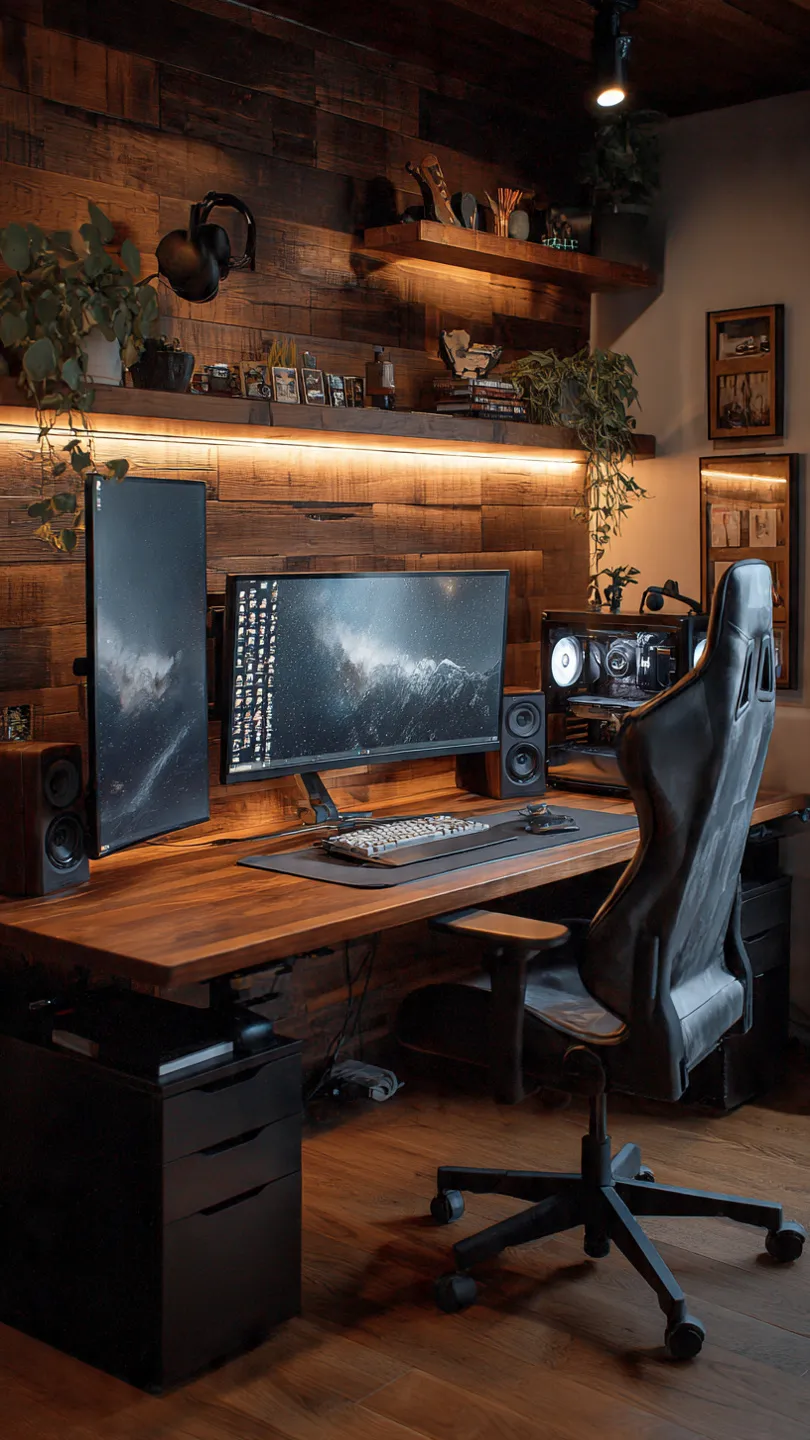
Creating the perfect home office setup is no longer a luxury—it’s a necessity. With remote work, freelancing, and online businesses growing rapidly, a well-designed home office directly impacts productivity, focus, and mental well-being. In this in-depth guide, you’ll discover practical, research-backed, and SEO-optimized Home Office Setup Ideas designed using Brian Dean–style clarity, scannability, and value-first writing. Each section answers real user intent while supporting Google SGE and AI Overview visibility.
Clever Ideas For Small Home Offices
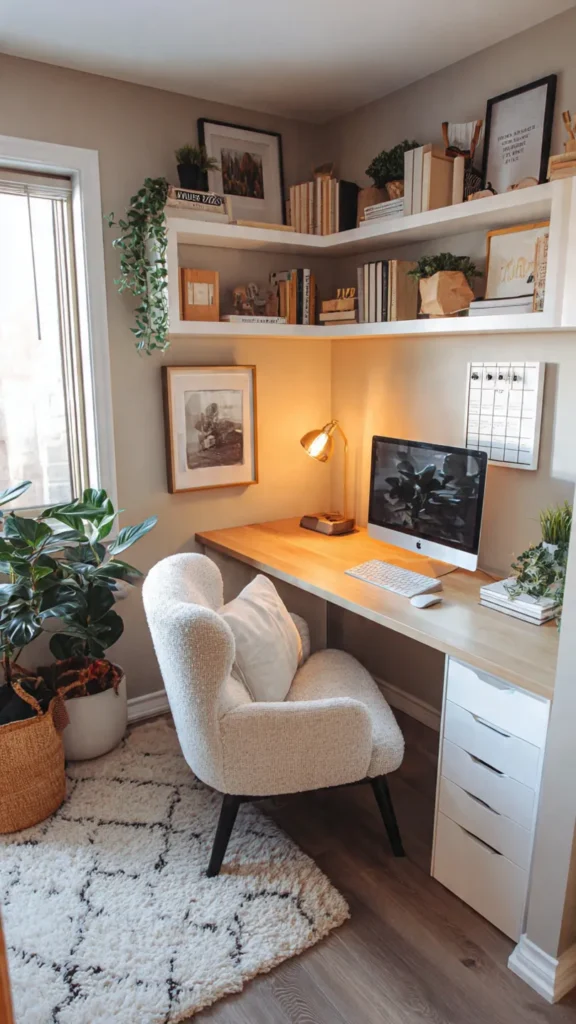
Limited space should never limit productivity. Smart planning and intentional design can turn even the smallest corner into a powerful workspace. The key is to maximize vertical space, minimize clutter, and choose multifunctional furniture.
Wall-mounted desks, floating shelves, and foldable tables are excellent space-saving solutions. They keep the floor area open while offering enough surface for daily work. Opt for slim-profile chairs that slide easily under desks to maintain a clean look.
Lighting plays a critical role in small home offices. Natural light is ideal, but if that’s limited, layered lighting—task lamps, overhead lights, and ambient LED strips—can make a small space feel larger and more inviting.
Color psychology also matters. Light, neutral shades such as white, beige, or soft gray visually expand the space. Adding one accent color through artwork or accessories creates personality without overwhelming the room.
Storage should be intentional. Use drawer organizers, vertical file holders, and under-desk storage boxes to keep essentials within reach while maintaining a clutter-free environment. A clean space supports a focused mind.
The Power Of A Dedicated Workspace
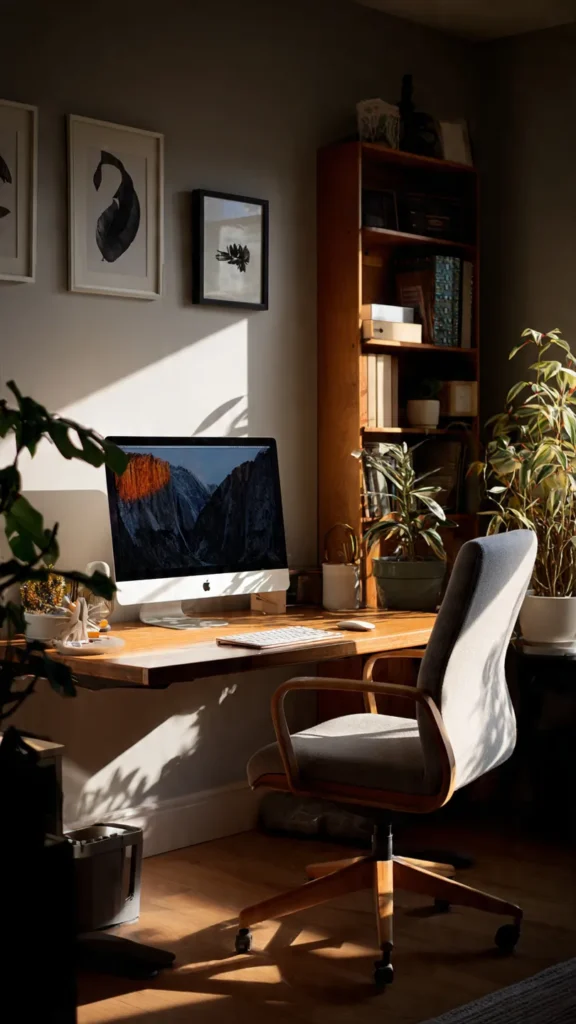
One of the most effective home office setup ideas is creating a clearly defined workspace. Even if you live in a small home, a dedicated work zone helps your brain separate professional tasks from personal life.
A dedicated workspace improves focus, productivity, and work-life balance. When your brain associates a specific area with work, it becomes easier to concentrate and enter a productive flow state.
This doesn’t require a full room. A quiet corner, spare closet, or partitioned area can work just as well. The key is consistency—use the same space every day.
Ergonomics should be a priority. Invest in a supportive chair, a desk at proper height, and a monitor positioned at eye level. These small adjustments prevent long-term strain and improve comfort during long work hours.
Personalization also plays a role. Adding motivational quotes, family photos, or minimal decor makes the space inspiring without becoming distracting. A workspace you enjoy being in naturally boosts performance.
Biophilic Design In Your Home Office
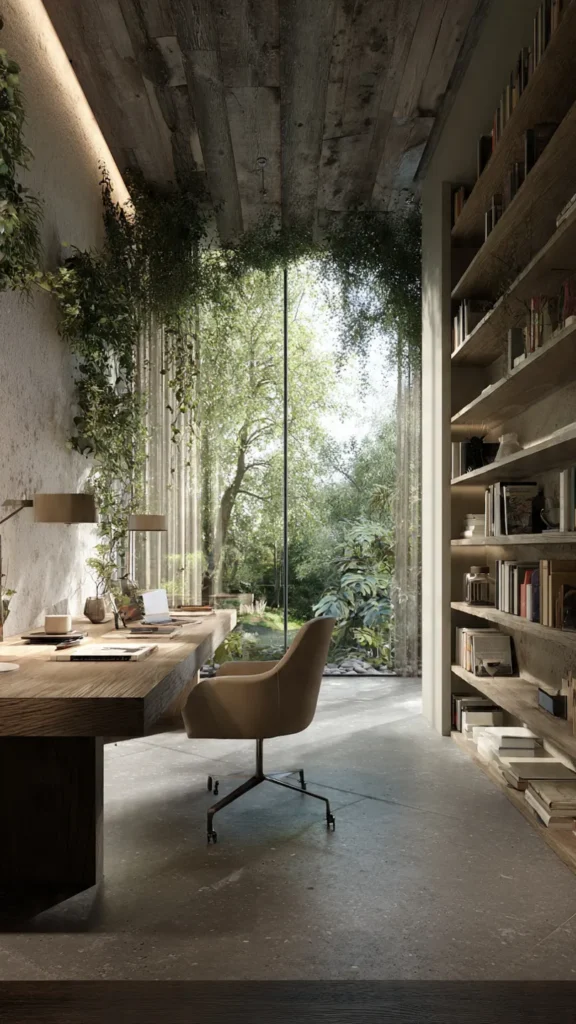
Biophilic design focuses on connecting indoor spaces with nature—and it’s one of the most powerful trends in modern home office setups. Studies show that incorporating natural elements reduces stress, enhances creativity, and improves concentration.
Start with indoor plants. Low-maintenance options like snake plants, pothos, or peace lilies purify the air and add a calming visual element. Even one plant can make a noticeable difference.
Natural light is another core element. Position your desk near a window whenever possible. If that’s not an option, use daylight-mimicking bulbs to reduce eye strain and improve mood.
Materials also matter. Wood textures, stone accessories, linen fabrics, and neutral earth tones help create a grounded and relaxing workspace. These elements subtly enhance comfort without distracting from work.
Nature-inspired artwork, botanical prints, or nature soundscapes can further enhance the biophilic experience. The goal is not decoration—but balance and well-being.
Essential Gadgets For Home Offices
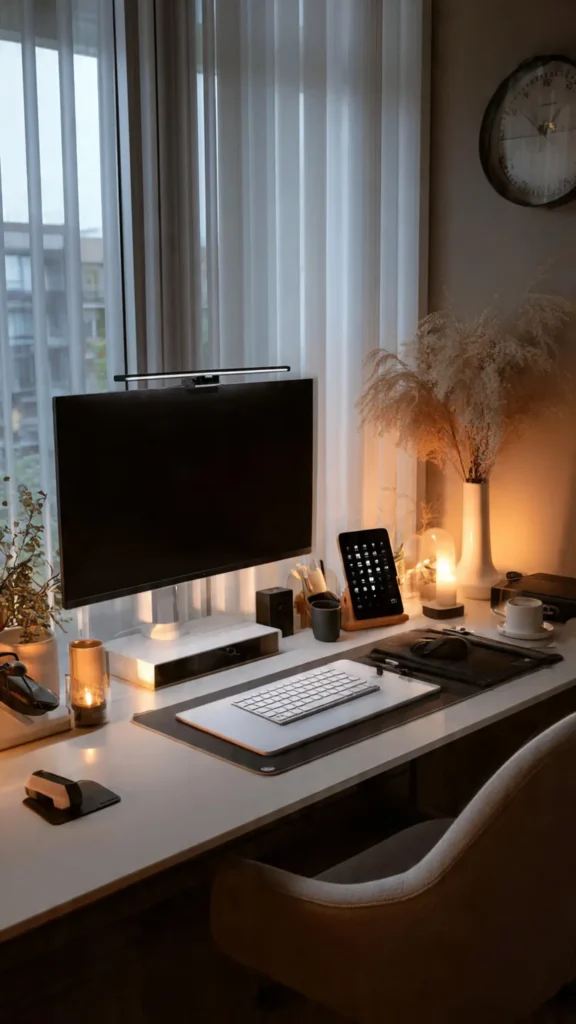
The right gadgets can dramatically improve efficiency and workflow. While minimalism is important, certain tools are essential for a productive home office setup.
A high-quality ergonomic chair is non-negotiable. Pair it with an adjustable desk or laptop stand to maintain proper posture. External keyboards and mice reduce strain and increase typing comfort.
Noise-canceling headphones are especially valuable in shared living spaces. They block distractions and help you focus during meetings or deep work sessions.
Smart lighting systems allow you to adjust brightness and color temperature throughout the day, supporting circadian rhythms and reducing fatigue.
Cable management solutions, such as cable trays and clips, keep your workspace clean and professional. A clutter-free desk improves mental clarity.
Additional gadgets like webcams with HD quality, external microphones, and dual monitors enhance communication and multitasking—especially for content creators, designers, and remote professionals.
Final Thoughts
A thoughtfully designed home office is an investment in your productivity, health, and long-term success. By applying these Home Office Setup Ideas, you can create a workspace that supports focus, creativity, and balance—regardless of space or budget.
Whether you’re optimizing a small corner, building a dedicated workspace, embracing biophilic design, or upgrading with essential gadgets, the goal remains the same: create an environment that helps you do your best work, every single day.
A smart home office isn’t about trends—it’s about designing a space that works for you.
FAQs Abouts Home Office Setup Ideas
What are the most important elements of a home office setup?
A functional home office setup should include an ergonomic chair, a proper desk height, good lighting, minimal distractions, and essential tech tools like a reliable computer, keyboard, and internet connection. Comfort and focus are the top priorities.
How can I set up a home office in a small space?
Small home offices work best with wall-mounted desks, vertical storage, foldable furniture, and light color schemes. Using multifunctional furniture and keeping clutter minimal helps maximize productivity in limited space.
Why is a dedicated workspace important for productivity?
A dedicated workspace helps mentally separate work from personal life. It improves focus, reduces distractions, and creates a consistent routine, which is essential for long-term productivity and work-life balance.
What is biophilic design and how does it help in a home office?
Biophilic design incorporates natural elements like plants, natural light, and organic materials. It helps reduce stress, improve mood, and increase concentration, making it ideal for a healthy home office environment.
Which indoor plants are best for a home office?
Low-maintenance plants such as snake plants, pothos, peace lilies, and succulents are perfect for home offices. They improve air quality and add a calming visual element without requiring much care.
What gadgets are essential for a modern home office?
Essential home office gadgets include an ergonomic chair, external keyboard and mouse, laptop stand, noise-canceling headphones, smart lighting, and cable management tools to maintain a clean workspace.
How can I reduce distractions while working from home?
Reducing distractions involves setting boundaries, using noise-canceling headphones, organizing your desk, keeping a fixed work schedule, and creating a visually separate workspace from living areas.
Is natural light important in a home office setup?
Yes, natural light reduces eye strain, boosts mood, and increases productivity. Positioning your desk near a window or using daylight-mimicking bulbs can significantly improve your work experience.
How do I make my home office more comfortable for long hours?
Comfort comes from ergonomic furniture, correct screen height, proper lighting, regular breaks, and maintaining good posture. Small adjustments can prevent fatigue and long-term health issues.
Can a well-designed home office improve work performance?
Absolutely. A well-designed home office improves focus, efficiency, and motivation. It supports mental well-being and helps you consistently perform better while working remotely.