
When I first decided to renovate my bathroom, I quickly realized that tile isn’t the only option for bathroom walls. If you’re tired of the traditional tiled look or want something easier to maintain, there are several alternatives that can transform your space while staying practical. In this guide, I’ll share what I personally used and recommend for bathroom walls instead of tile.
Choosing alternatives to tile can be a smart decision for several reasons: reduced installation time, lower costs, and the ability to create a unique style that reflects your personality. Let’s explore some of the best options available.
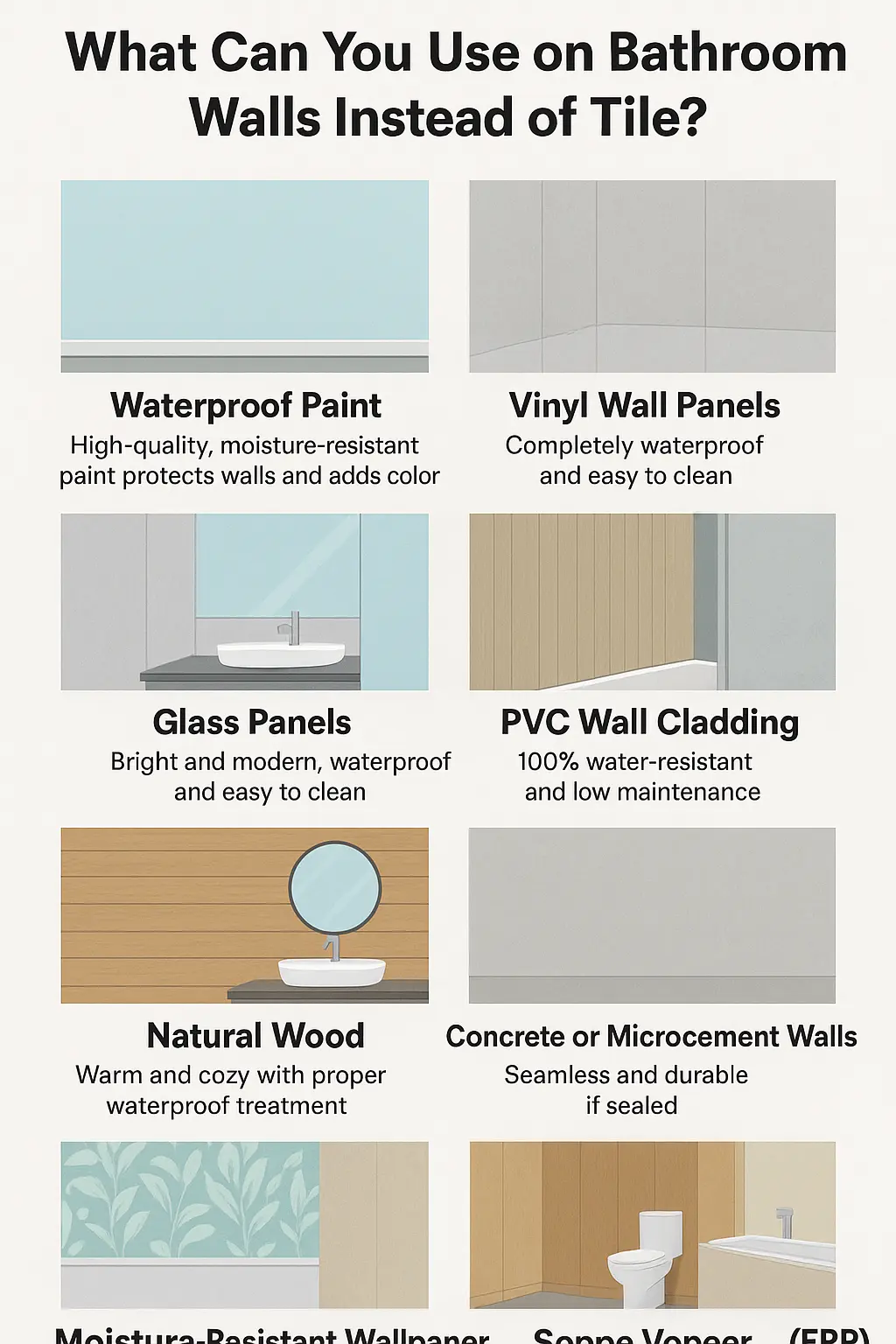
1. Waterproof Paint for Bathroom Walls
One of the simplest and most cost-effective alternatives to tile is waterproof paint. From my experience, using a high-quality, moisture-resistant paint not only protects the walls but also adds vibrant color and personality to your bathroom.
Benefits of waterproof paint:
- Easy to apply and quick to dry
- Wide range of colors and finishes
- Affordable compared to tiles
- Resistant to mold and mildew when applied properly
Tips from my experience:
- Choose a paint labeled specifically for bathrooms or kitchens.
- Apply at least two coats for maximum protection.
- Use a semi-gloss or satin finish for a smooth, water-resistant surface.
2. Vinyl Wall Panels
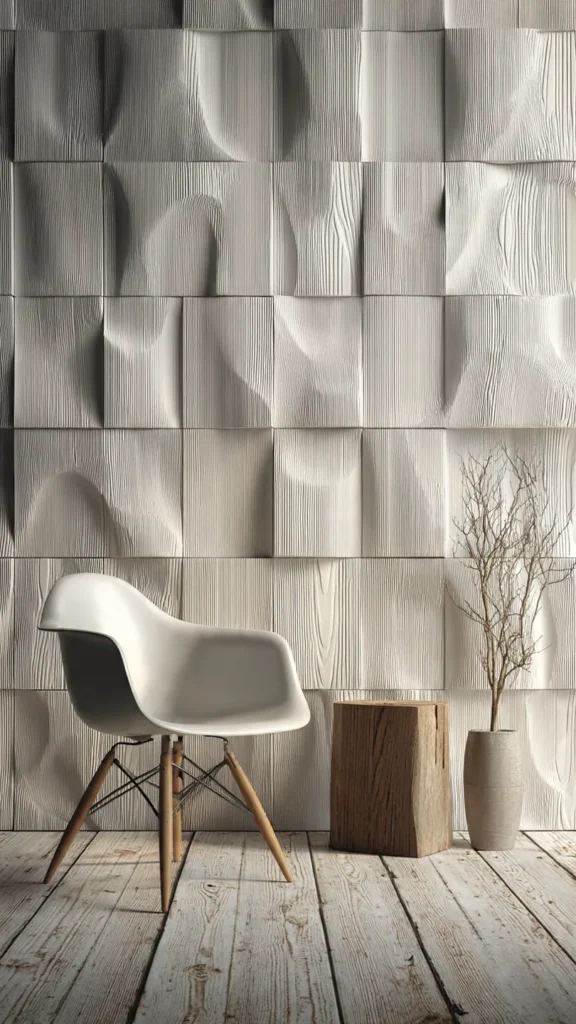
Vinyl panels are another excellent choice if you want a sleek, modern look without the hassle of grout lines. I used vinyl panels in a recent bathroom remodel, and the installation was surprisingly easy.
Why vinyl works well:
- Completely waterproof and easy to clean
- Available in a variety of textures, including faux wood and stone
- Durable and scratch-resistant
- Quick installation with minimal tools
One tip I learned: always measure carefully and consider using adhesive recommended by the manufacturer to avoid peeling over time.
3. Glass Panels
If you want a spa-like feel in your bathroom, glass panels can make your space feel bright and open. I installed a frosted glass panel behind my sink, and it instantly gave the room a modern, luxurious vibe.
Advantages of glass panels:
- Sleek, reflective surface that brightens the room
- Waterproof and easy to clean
- Can be customized with etched or colored designs
Things to consider:
- Glass panels can be expensive
- Professional installation is recommended for safety
- Use tempered glass for durability
4. PVC Wall Cladding
PVC wall cladding is a practical alternative for bathrooms prone to high humidity. I’ve used it in rental properties where durability and low maintenance were essential.
Benefits:
- 100% water-resistant
- Lightweight and easy to install
- Variety of designs, including marble and stone finishes
- Budget-friendly
Installation tip: Make sure the surface is smooth and clean before applying PVC panels for the best results.
5. Natural Wood with Waterproof Treatment
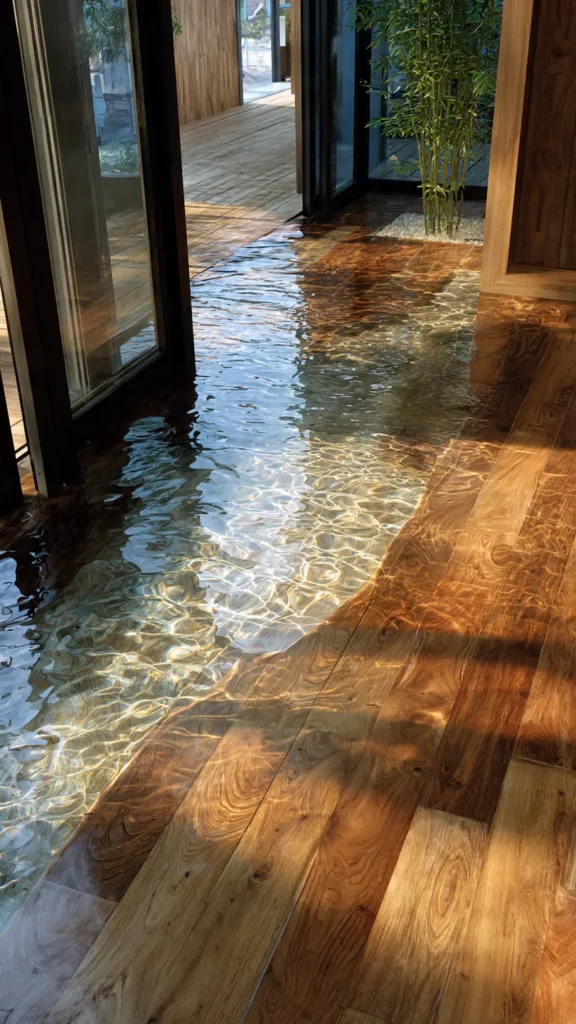
For a cozy, warm aesthetic, natural wood can be an alternative to traditional tiles if treated correctly. I used cedar planks in my small powder room, applying a marine-grade sealant to prevent moisture damage.
Pros of wood:
- Adds warmth and natural beauty
- Can be stained or painted for a custom look
- Can be eco-friendly if sourced responsibly
Cons:
- Needs proper sealing to avoid rot and mold
- More maintenance compared to tiles or vinyl
6. Concrete or Microcement Walls
Concrete or microcement is gaining popularity for modern, industrial-style bathrooms. I experimented with microcement in a guest bathroom, and it created a seamless, minimalist look.
Why I recommend it:
- Smooth, continuous surface without grout lines
- Durable and water-resistant if sealed
- Can be colored or textured for unique finishes
Tips: Hire a professional if you want a flawless finish, as DIY application can be tricky.
7. Wallpaper Designed for Bathrooms
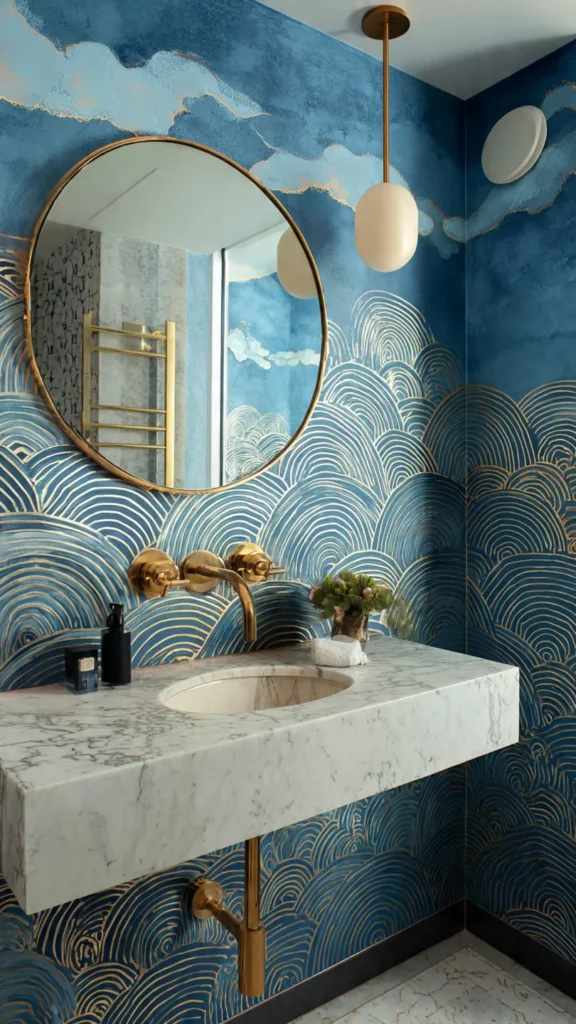
Yes, wallpaper can work in bathrooms, as long as it’s moisture-resistant. I’ve used vinyl-coated wallpaper in half-bathrooms where splashes are minimal.
Benefits:
- Endless patterns and designs
- Affordable and easy to change
- Can create a feature wall or focal point
Precautions: Make sure to use wallpaper specifically labeled as “bathroom” or “moisture-resistant.” Avoid areas with direct water exposure like the shower.
8. Laminate Panels
Laminate panels are another practical, low-maintenance alternative. I’ve used them in small bathrooms where ease of cleaning was crucial.
Advantages:
- Water-resistant and hygienic
- Can mimic wood, stone, or tile patterns
- Quick installation and budget-friendly
Tips: Choose high-pressure laminates for bathrooms, as they’re more durable against humidity.
9. Stone Veneer
If you want a luxurious, natural look without full stone tiles, stone veneer is an excellent alternative. I applied thin stone panels on a bathroom accent wall, and it gave the space a high-end feel.
Benefits:
- Realistic, textured appearance
- Durable and long-lasting
- Works well as an accent wall
Considerations: Stone veneer can be expensive and heavier than other alternatives, so make sure the wall structure can support it.
10. Fiberglass Reinforced Panels (FRP)
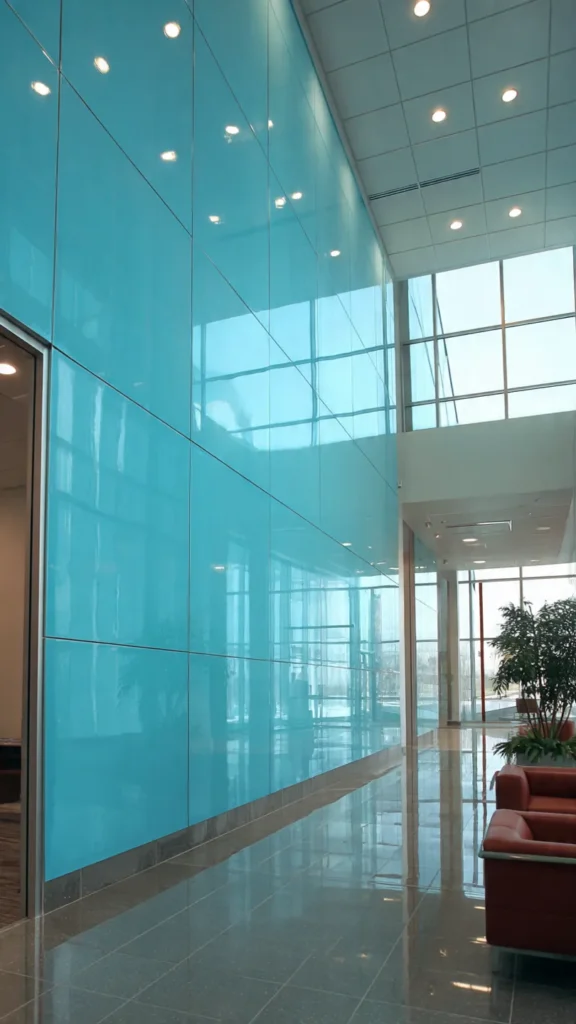
FRP panels are a commercial-grade option that I’ve seen used in gyms and public restrooms but can also work beautifully in home bathrooms.
Advantages:
- Extremely durable and waterproof
- Easy to clean
- Resistant to impact, mold, and mildew
Installation tip: Requires adhesive and trimming, but once installed, it’s nearly maintenance-free.
Conclusion
There are countless alternatives to tile for bathroom walls, each offering unique benefits. From waterproof paint and vinyl panels to glass, wood, and microcement, you can achieve a stylish, practical, and durable bathroom without sticking to traditional tiles. My personal experience shows that selecting the right material depends on your budget, style preferences, and bathroom usage. By choosing wisely, you can create a beautiful space that’s functional, modern, and truly yours.
FAQs
1. Can I use paint instead of tile in a bathroom?
Yes, using high-quality, moisture-resistant paint is a simple and effective alternative.
2. Are vinyl panels durable in a bathroom?
Absolutely. Vinyl panels are waterproof, easy to clean, and resistant to scratches.
3. Is wood a good option for bathroom walls?
Wood works well if treated with a waterproof sealant to prevent moisture damage.
4. Can I install glass panels myself?
It’s possible but professional installation is recommended for safety and durability.
5. What’s the cheapest alternative to tile?
Waterproof paint and PVC panels are usually the most budget-friendly options.
6. Is microcement suitable for wet areas?
Yes, if properly sealed, microcement provides a waterproof, seamless surface.
7. Can wallpaper survive in a bathroom?
Only if it’s specifically designed to be moisture-resistant. Avoid direct water exposure.
8. Are laminate panels easy to maintain?
Yes, laminate panels are low-maintenance and can mimic various textures and patterns.
9. Is stone veneer waterproof?
Stone veneer is water-resistant but should be sealed properly to prevent moisture damage.
10. What’s the most luxurious tile alternative?
Glass panels, stone veneer, or microcement can provide a high-end, luxurious look.