
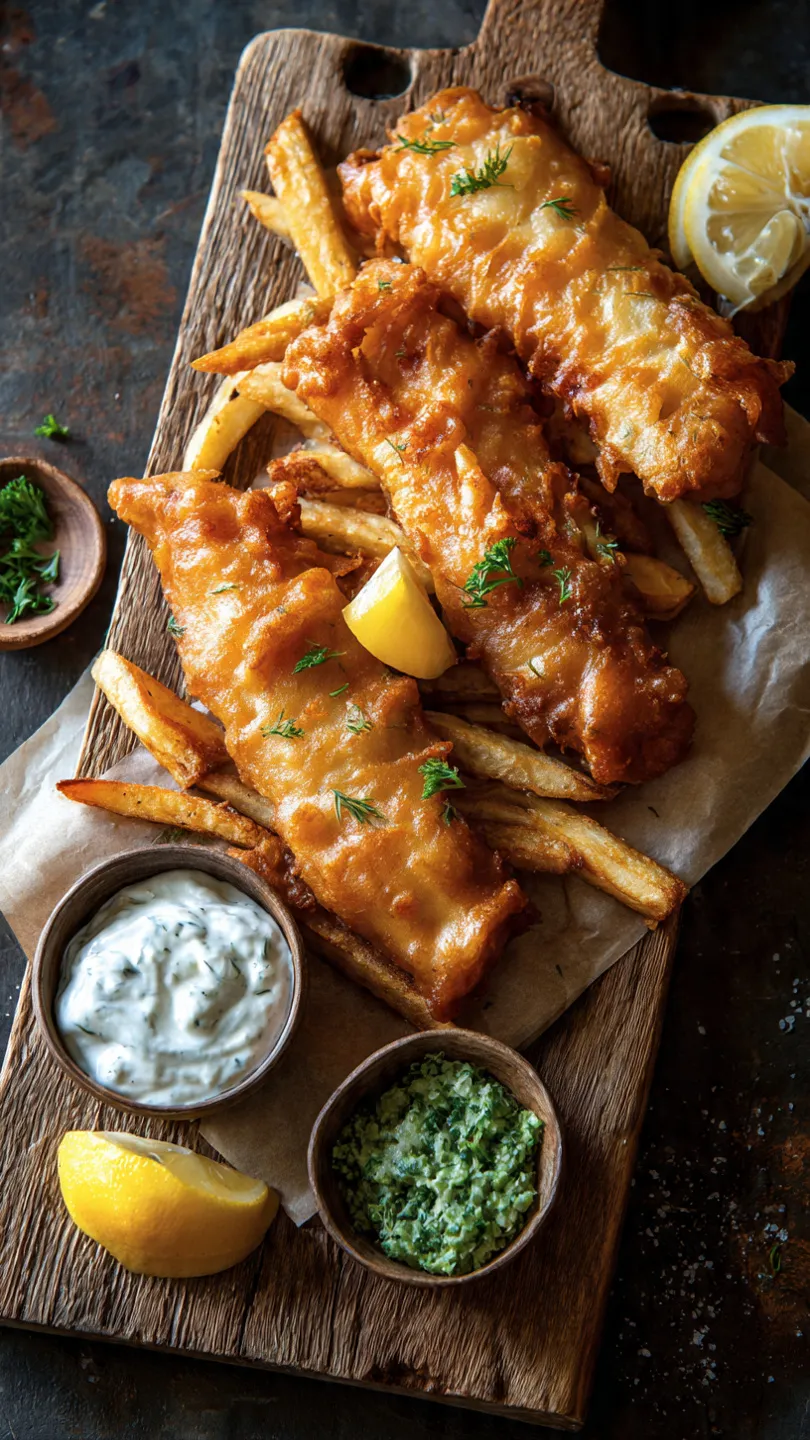
Fish and chips are a classic comfort food loved worldwide. Crispy on the outside, tender on the inside, and perfectly golden, a good fish and chips recipe is more than just deep-fried food—it’s a culinary experience. Follow this step-by-step guide to make restaurant-quality fish and chips right in your kitchen.
Step 1: Prepare Ingredients
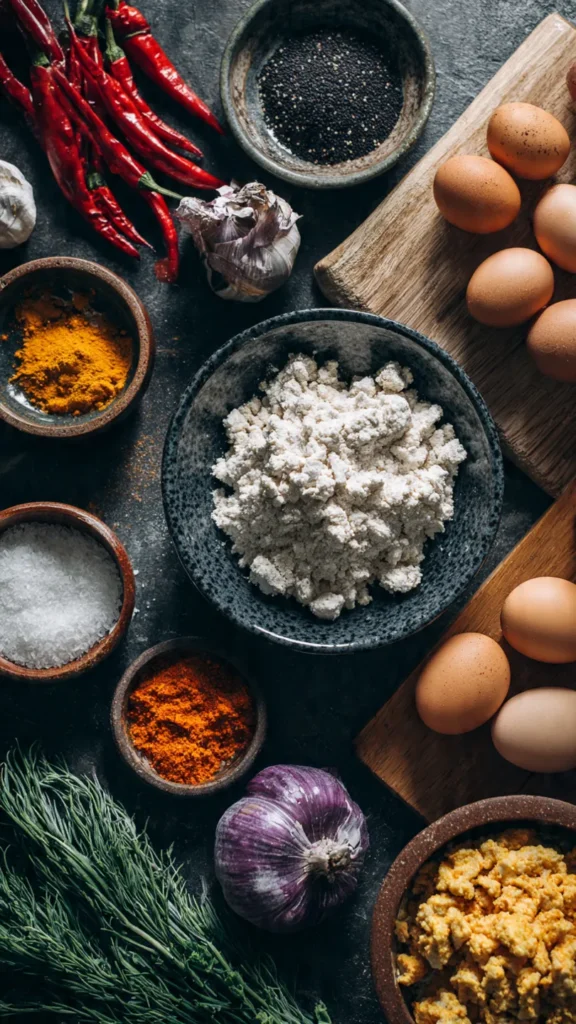
The first step to amazing fish and chips is using fresh, high-quality ingredients. Fresh fish and potatoes make all the difference.
Ingredients checklist:
- White fish fillets (cod, haddock, or pollock)
- Large potatoes (for chunky chips)
- All-purpose flour
- Cornstarch (for extra crispiness)
- Baking powder
- Cold sparkling water or beer (for batter)
- Salt and pepper
- Oil for deep frying (vegetable or sunflower oil)
- Optional: malt vinegar or tartar sauce for serving
Tips:
- Pat fish dry to ensure the batter sticks
- Cut potatoes evenly for consistent cooking
- Keep the batter cold until frying for extra crunch
Step 2: Make the Batter
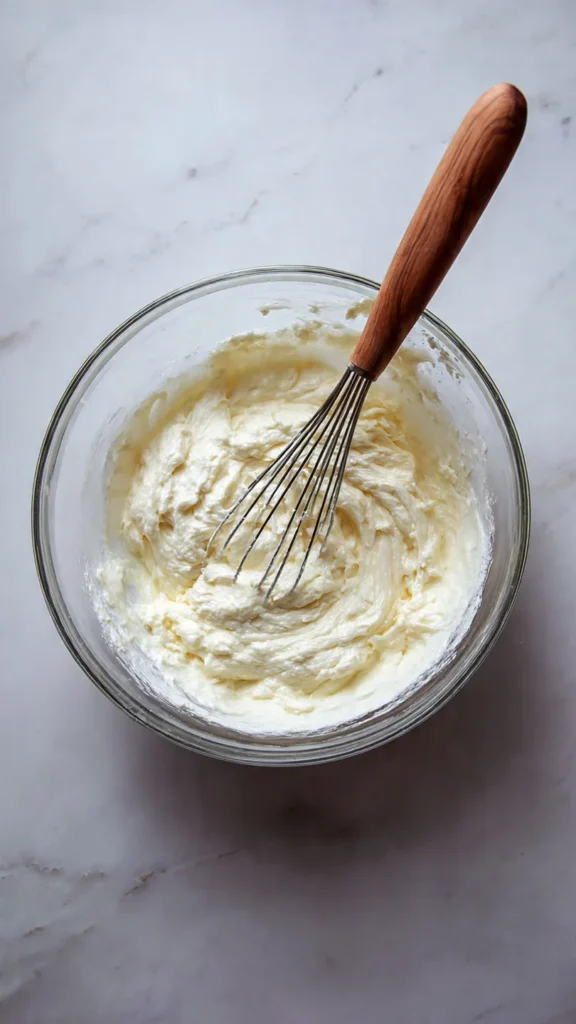
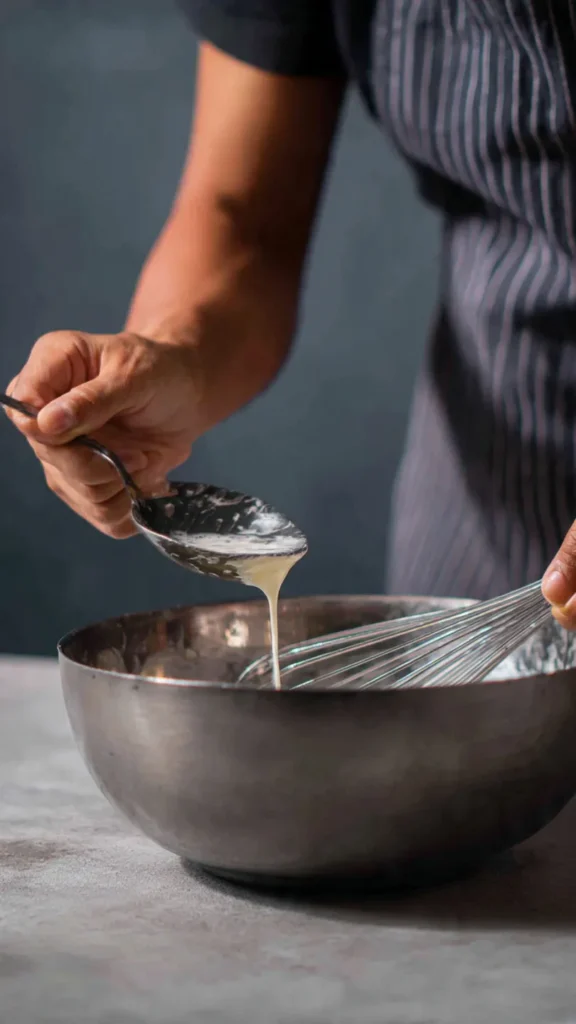
The batter is what makes the fish crunchy and golden. A good batter is light, airy, and flavorful.
Steps to make batter:
- In a bowl, mix 1 cup of flour, 2 tablespoons cornstarch, 1 teaspoon baking powder, and a pinch of salt.
- Gradually whisk in cold sparkling water or beer until the mixture is smooth.
- Keep the batter in the fridge until ready to use—it should be cold to create maximum crispiness.
Pro Tip: Don’t overmix. Small lumps in the batter help make the coating lighter and crispier.
Step 3: Heat the Oil
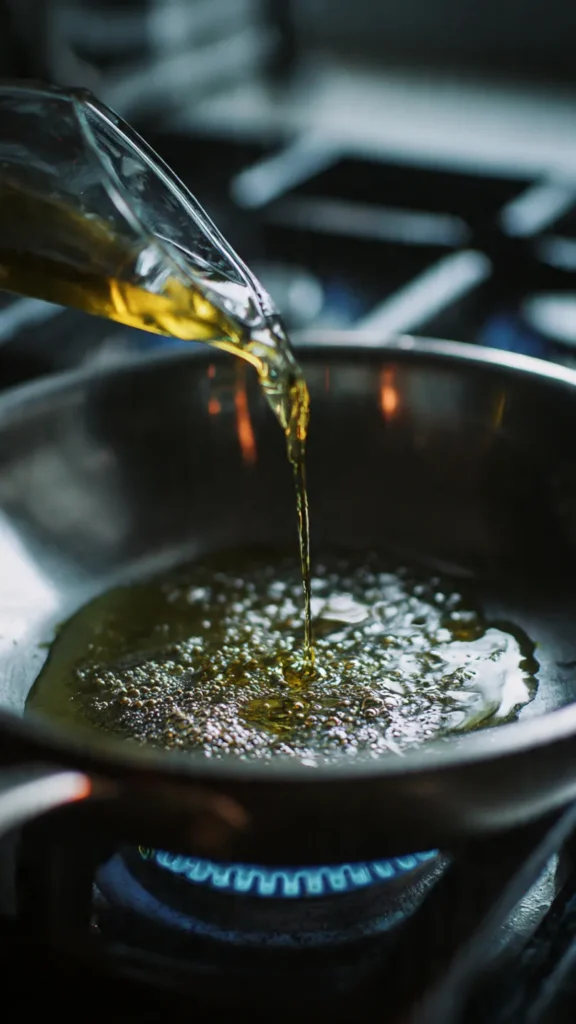
Proper oil temperature is crucial for perfect fish and chips. If the oil is too cool, the coating will absorb oil and become soggy. Too hot, and the outside burns while the inside remains raw.
How to heat oil correctly:
- Use a deep, heavy-bottomed pot
- Fill with enough oil to fully submerge fish and chips
- Heat to 325–350°F (160–175°C) for the first fry
- Use a thermometer to maintain consistent temperature
Tip: Never overcrowd the pot; this lowers the oil temperature and prevents crispiness.
Step 4: Fry the Chips (First Fry)
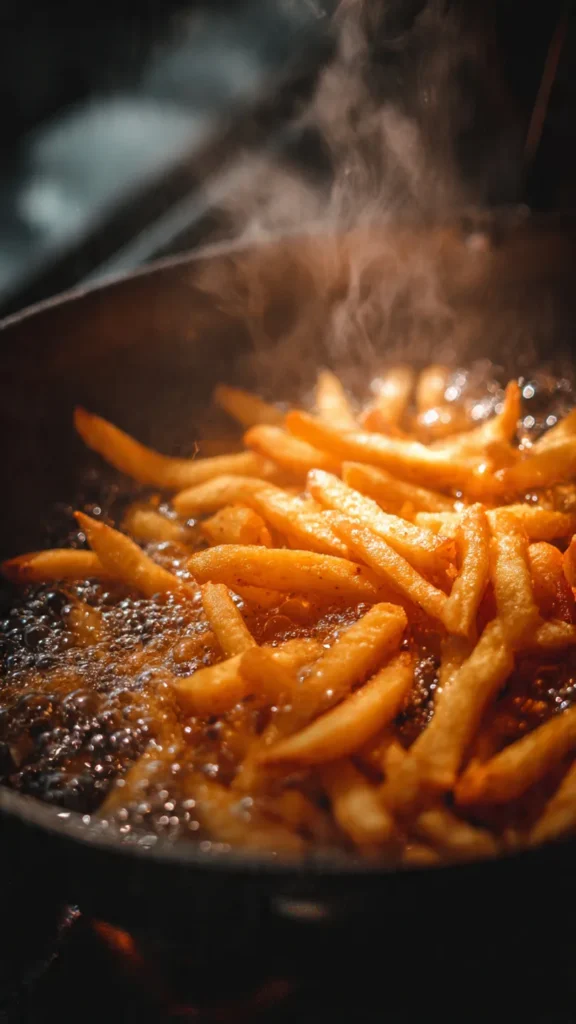
The first fry cooks the potato interior without browning too much. This step is key for soft, fluffy chips inside.
Steps:
- Peel (optional) and cut potatoes into thick strips.
- Rinse in cold water to remove excess starch.
- Pat dry with a towel.
- Fry in oil at 325–350°F (160–175°C) for 4–6 minutes until soft but not colored.
- Remove and drain on paper towels.
Tip: Frying twice ensures crispy chips with a soft center.
Step 5: Fry the Fish
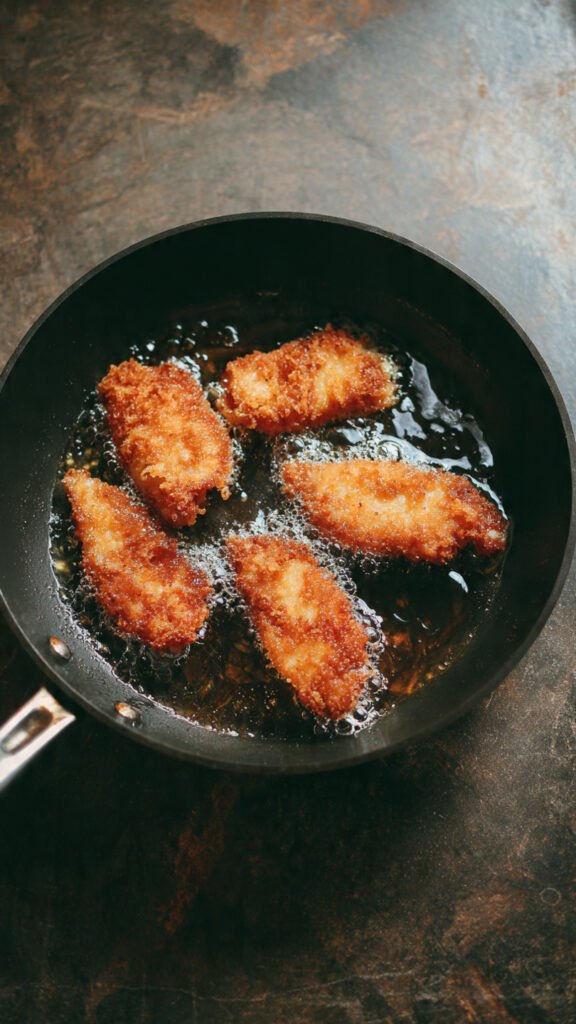
Now it’s time for the star of the show. Crispy, golden fish coated in light batter.
Steps:
- Heat oil to 350–375°F (175–190°C).
- Lightly dust fish with flour to help batter stick.
- Dip fish into the cold batter, letting excess drip off.
- Carefully lower into hot oil and fry for 4–6 minutes until golden and cooked through.
- Remove and drain on paper towels.
Pro Tip: Avoid moving the fish too much while frying—it can break the batter.
Step 6: Fry the Chips (Second Fry)
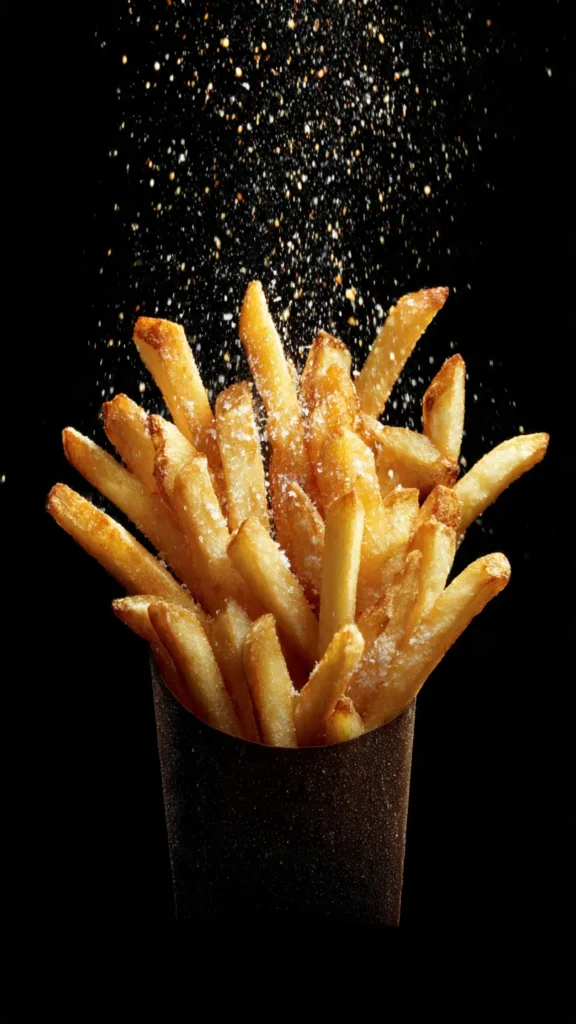
The second fry at a higher temperature gives the chips that irresistible golden crunch.
Steps:
- Heat oil to 375°F (190°C).
- Fry previously cooked chips in batches until golden brown.
- Remove, drain, and immediately sprinkle with salt.
Tip: Serve immediately after this fry for maximum crispiness.
Step 7: Serve Immediately
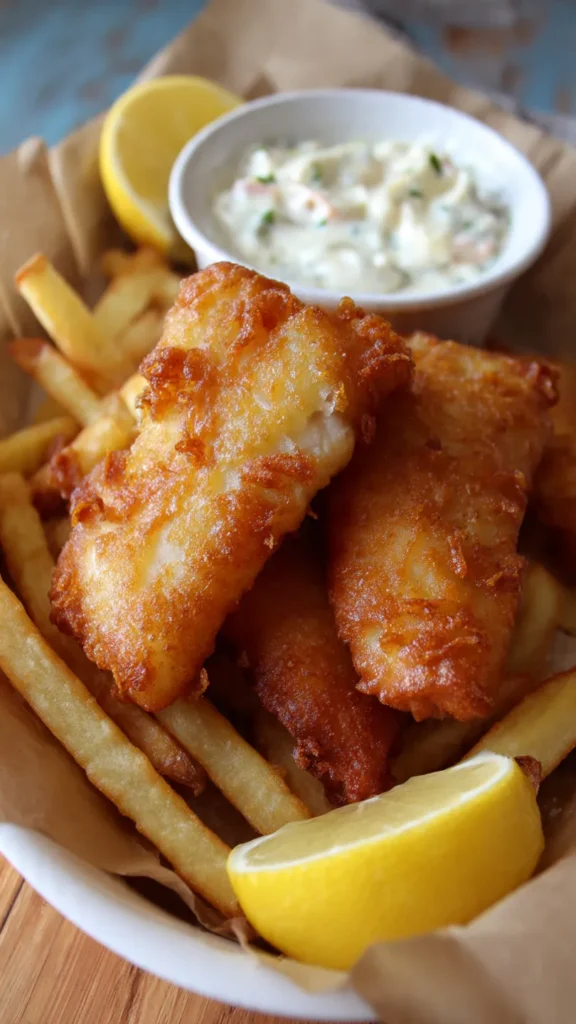
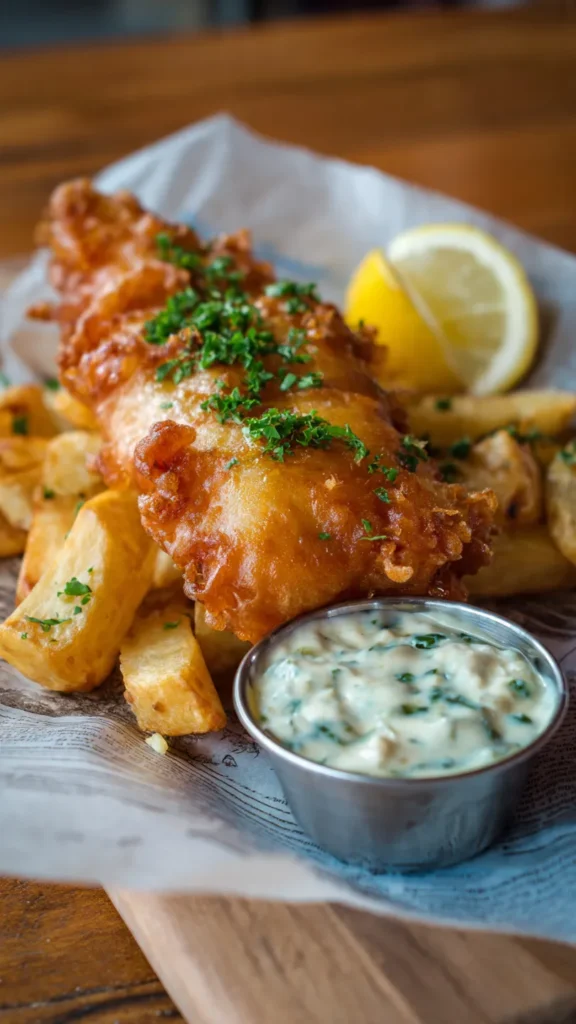
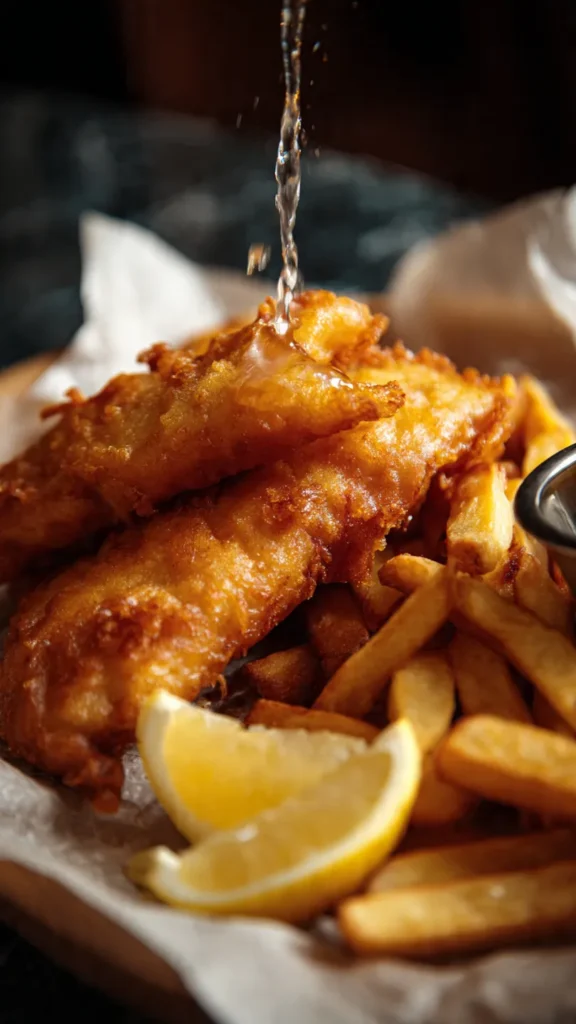
Fish and chips are best enjoyed fresh from the fryer. Serve with classic accompaniments like malt vinegar, tartar sauce, or lemon wedges.
Serving tips:
- Stack chips in a paper-lined basket for a traditional feel
- Garnish fish with parsley or extra sesame seeds for flair
- Pair with a cold beverage or a light salad for balance
Why serving immediately matters:
Crispy coating starts to soften if it sits too long. Enjoying your fish and chips hot ensures the perfect texture and flavor.
Tips for Perfect Fish and Chips Every Time
- Keep batter cold – this makes the coating lighter and crispier.
- Cut chips evenly – ensures uniform cooking.
- Don’t overcrowd the fryer – oil temperature drops and fries become greasy.
- Use fresh fish – firm white fish works best for frying.
- Double fry chips – for a fluffy inside and crunchy outside.
FAQs Abouts Fish And Chips
- What type of fish is best for fish and chips?
White, firm fish like cod, haddock, or pollock are ideal. They hold up well during frying and have a mild flavor that pairs perfectly with the batter. - How do I make the batter crispy?
Keep the batter cold using chilled sparkling water or beer. Don’t overmix and fry at the correct oil temperature for the crispiest coating. - Why do I fry the chips twice?
The first fry cooks the potato interior, while the second fry at a higher temperature makes the exterior golden and crispy. - What temperature should I heat the oil?
Heat the oil to 325–350°F (160–175°C) for the first fry and 350–375°F (175–190°C) for frying the fish. For the second fry of chips, increase to 375°F (190°C). - Can I make fish and chips without deep frying?
Yes, you can bake the fish and chips in the oven or use an air fryer. The texture will be slightly different but still delicious. - How do I prevent the batter from falling off the fish?
Pat the fish dry, lightly dust with flour, and ensure the batter is cold. Carefully lower the fish into hot oil without overcrowding. - What oil is best for frying fish and chips?
Vegetable, sunflower, or canola oil with a high smoke point works best for deep frying to maintain crispiness. - Can I prepare fish and chips ahead of time?
You can prep the potatoes and batter ahead, but fry and serve immediately for the best texture and taste. - How do I serve fish and chips traditionally?
Serve hot with malt vinegar, tartar sauce, or lemon wedges. Optionally, pair with coleslaw or peas for a classic experience. - Why is it important to serve fish and chips immediately?
The crispy batter and chips start to soften over time. Serving immediately ensures the perfect crunch and flavor.