

The way we live is transforming faster than ever. Homes are no longer just places to live — they’re evolving into intelligent, sustainable ecosystems. From AI-powered living spaces to energy-efficient designs, the future of home innovation combines comfort, convenience, and eco-conscious technology.
Let’s explore how modern design and cutting-edge tech are shaping the homes of tomorrow.
Smart Home Technology 2025
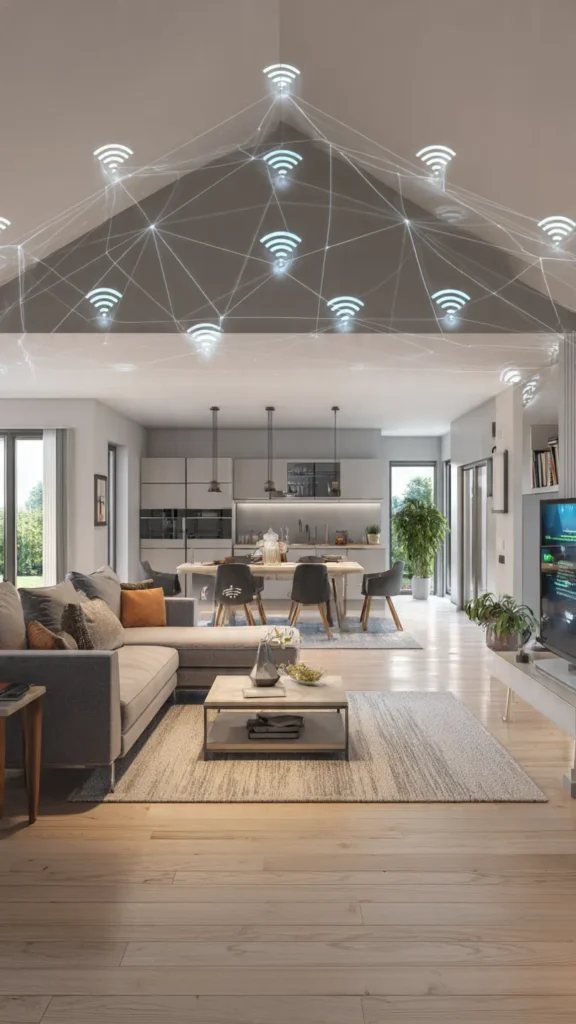
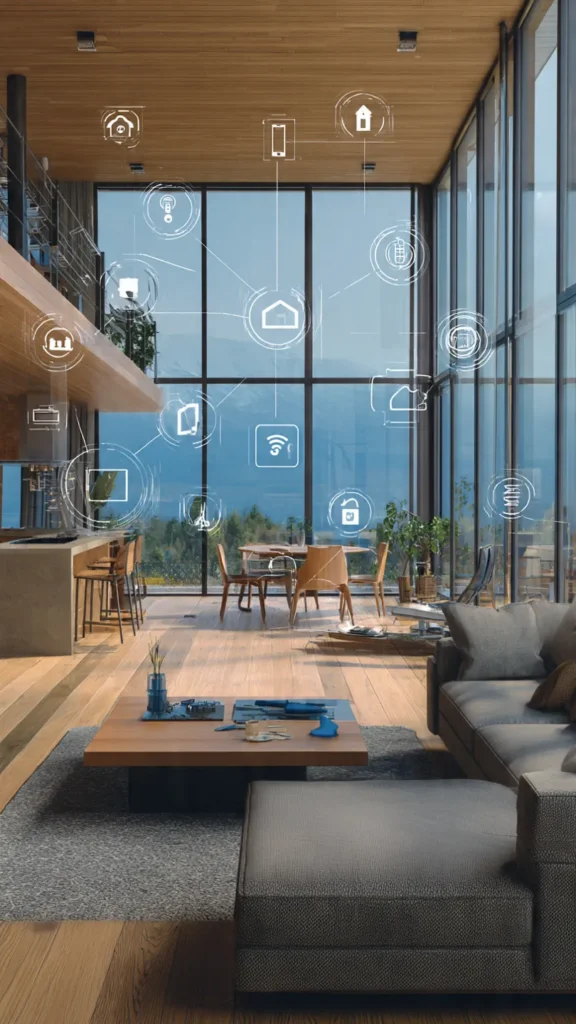
By 2025, smart home technology will redefine how people interact with their living spaces. Homes will operate more like intelligent assistants, powered by automation and predictive AI.
Voice-activated systems will manage lighting, security, and temperature automatically. You’ll be able to preheat your oven, check your security camera, or dim the lights — all through one unified system.
Smart home ecosystems such as Google Home, Amazon Alexa, and Apple HomeKit are integrating IoT (Internet of Things) devices with improved privacy and personalization. In 2025, homes will not only react to commands but also anticipate your needs — learning your preferences and optimizing comfort without manual input.
AI-Powered Home Systems
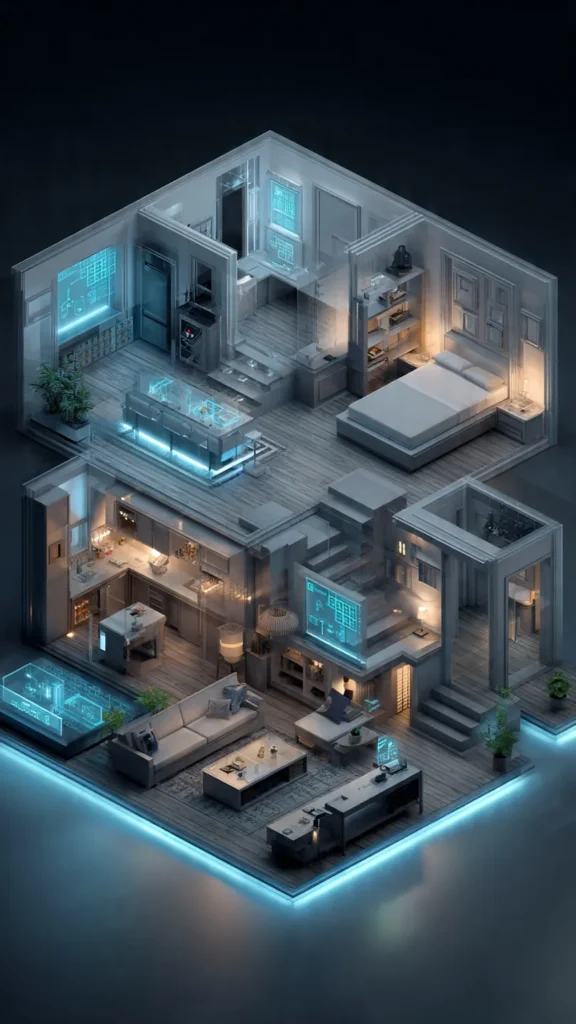
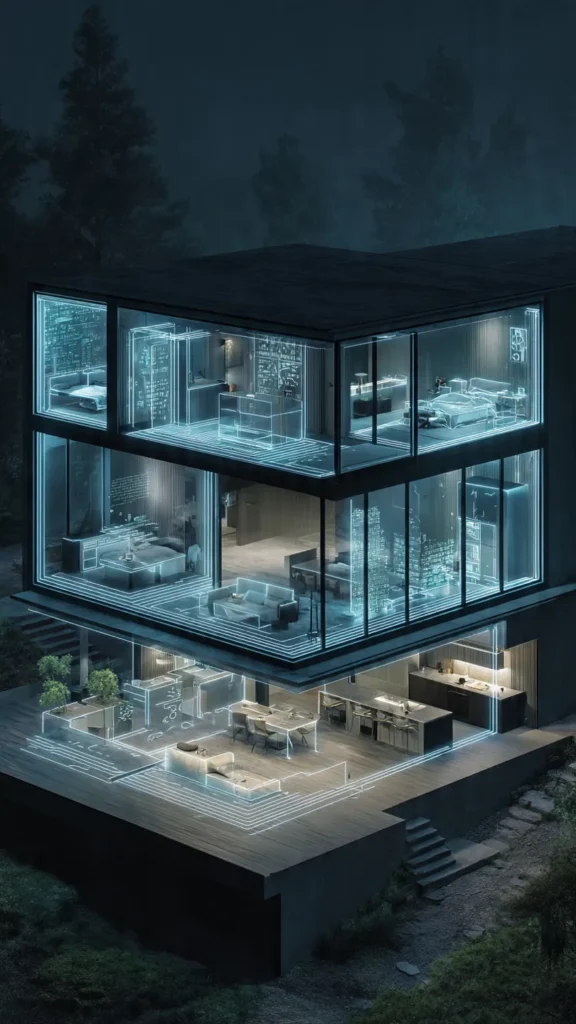
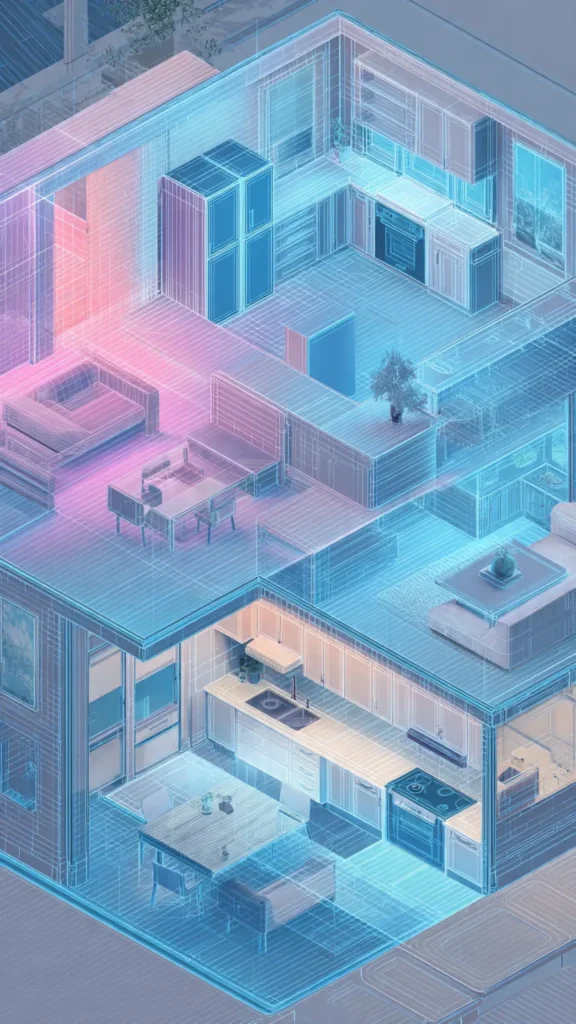
Artificial Intelligence will be at the heart of future homes. From self-learning thermostats to predictive cleaning robots, AI-driven systems make life simpler and more efficient.
Imagine a home that tracks your habits — adjusting lighting as the sun sets or lowering blinds when glare hits your workspace. AI will also support energy monitoring, health insights, and security analysis, ensuring your environment is smart and safe.
AI-powered fridges will suggest meal ideas based on available ingredients, while AI assistants can analyze air quality, sleep cycles, and even mood lighting preferences. In short, AI turns homes into intuitive partners, reducing effort while increasing productivity and sustainability.
Sustainable Future Homes
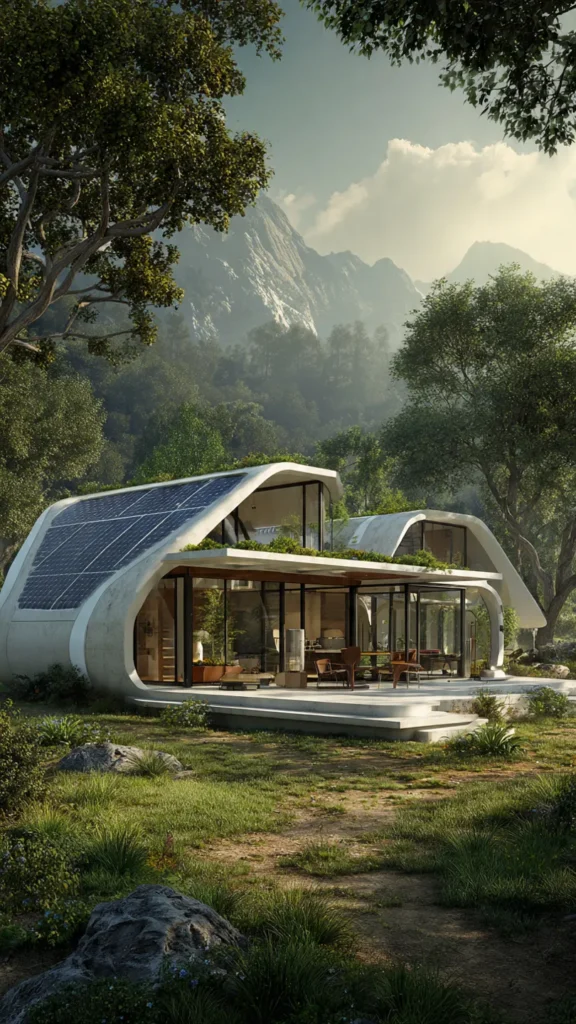
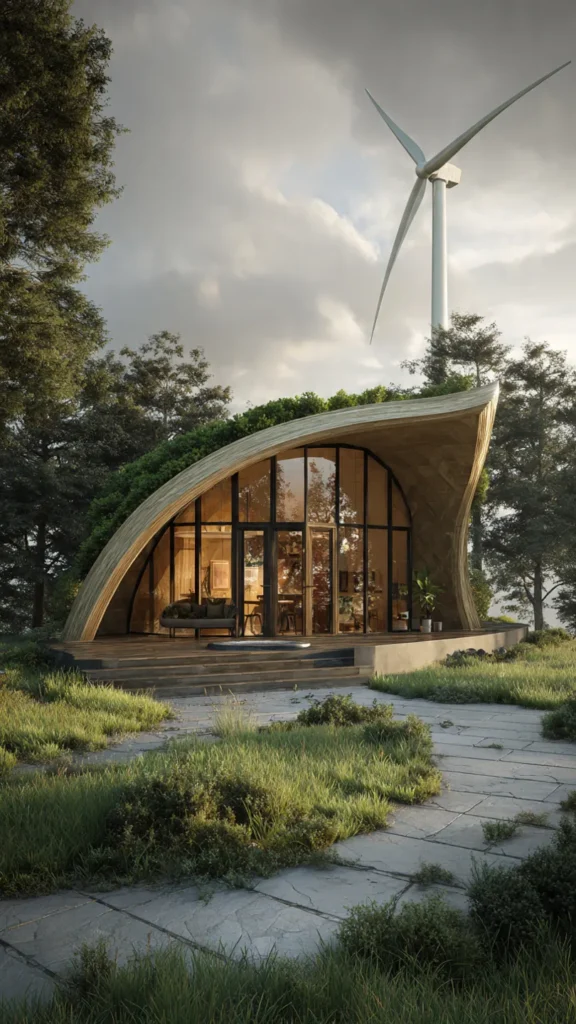
Sustainability is no longer optional — it’s a global priority. Future homes are designed with the planet in mind, integrating renewable energy, water recycling systems, and biodegradable materials.
Solar panels, rainwater harvesting, and smart insulation systems are just the start. Expect homes built with low-carbon concrete, bamboo composites, and recycled steel. Green roofs and vertical gardens will help balance air quality and temperature naturally.
With net-zero energy designs gaining traction, future homes aim to produce as much energy as they consume — creating harmony between modern living and environmental preservation.
Energy-Efficient House Design
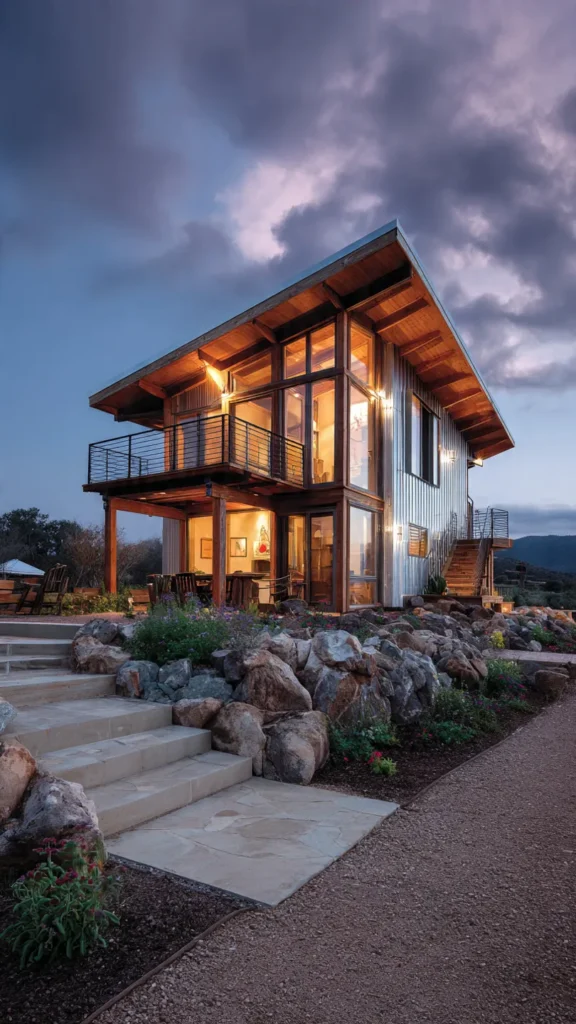
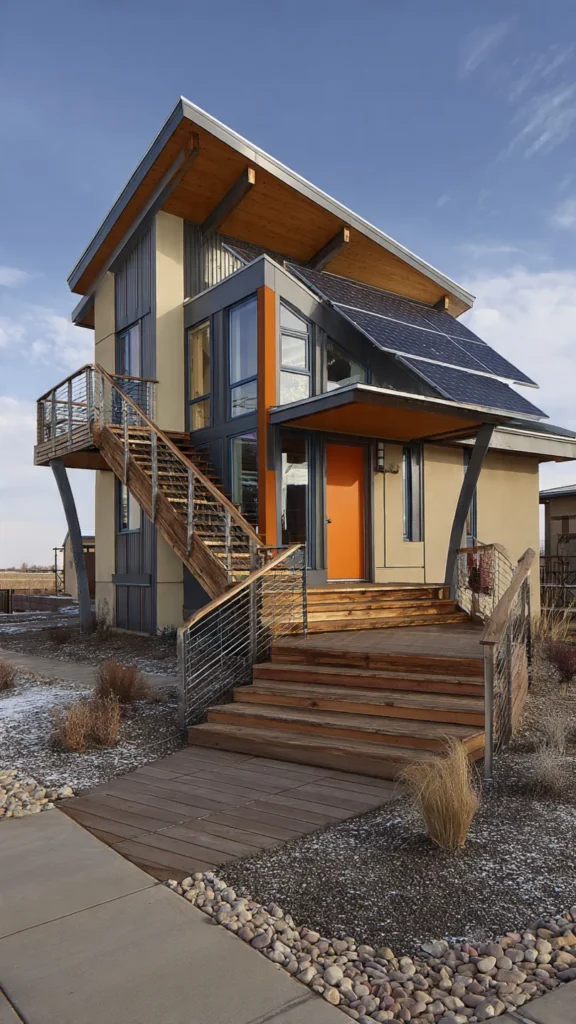
In the world of energy-efficient homes, technology and architecture go hand in hand. Modern insulation, triple-glazed windows, and smart ventilation systems minimize energy waste while maximizing comfort.
Smart thermostats like Nest and Ecobee already adjust temperatures based on usage patterns, saving up to 30% on energy bills. By 2025, advanced systems will integrate real-time weather data and occupancy sensors to create self-regulating homes that adapt seamlessly.
Energy-efficient lighting, heat pumps, and AI-powered solar storage systems will dominate future design — turning every home into a micro power hub that operates efficiently and independently.
Smart Furniture Innovations

Furniture is no longer static — it’s evolving with technology. Smart furniture innovations merge design, functionality, and connectivity to create adaptable spaces for modern living.
Expect modular sofas with built-in charging ports, voice-controlled lighting desks, and adjustable smart beds that track sleep quality. Space-saving smart furniture will become vital for urban homes, integrating hidden storage, foldable surfaces, and built-in appliances.
In the near future, AI-integrated furniture will personalize comfort — automatically adjusting seating position, temperature, and ambiance. Imagine a chair that knows when you’re tired and reclines to reduce pressure on your spine — that’s the next era of ergonomic living.
Conclusion
The future of home design blends sustainability, smart technology, and human-centered comfort. Future Home Innovations will create living spaces that think, adapt, and evolve with us — making daily life more connected, eco-conscious, and inspiring.
Whether it’s AI-powered lighting or sustainable materials, the homes of tomorrow will be defined by intelligence, innovation, and harmony with the planet.
FAQs Abouts Future Home Innovations
What are the top smart home innovations for 2025?
By 2025, smart homes will feature AI-powered assistants, automated lighting, energy monitoring systems, and integrated IoT devices. These systems will learn from user behavior to optimize comfort, energy use, and security.
How will AI change the way we live at home?
AI-powered home systems will personalize daily routines by automating lighting, temperature, and appliances. They will predict user needs, monitor air quality, and enhance safety with smart alerts and adaptive controls.
What makes a home sustainable in the future?
Sustainable homes use renewable energy sources like solar panels, water recycling systems, and eco-friendly materials. They aim for net-zero energy consumption while maintaining comfort and modern design.
What are the key features of energy-efficient house design?
Energy-efficient homes include high-performance insulation, triple-glazed windows, smart thermostats, and AI-integrated systems that minimize waste while maximizing comfort and energy savings.
What is smart furniture and how does it work?
Smart furniture integrates technology such as wireless charging, motion sensors, and adjustable ergonomics. It adapts to user comfort and lifestyle needs, making living spaces more functional and connected.
Can smart homes help reduce energy costs?
Yes, smart thermostats, automated lighting, and AI-driven energy management systems can significantly lower utility costs by optimizing resource use based on occupancy and time of day.
What are some examples of future home materials?
Future homes will use recycled steel, bamboo composites, low-carbon concrete, and sustainable woods. These materials ensure durability while supporting eco-friendly construction practices.
How does AI improve home security?
AI enhances home security with facial recognition, real-time threat detection, and intelligent surveillance systems that can notify homeowners instantly of unusual activity.
Will future homes be fully automated?
Many homes will become semi-automated, with systems capable of learning habits and routines. However, users will still maintain control through smart apps and voice assistants.
Why are energy-efficient homes important for the environment?
Energy-efficient homes reduce carbon emissions and energy consumption. They promote sustainability by utilizing renewable resources and minimizing environmental impact.