
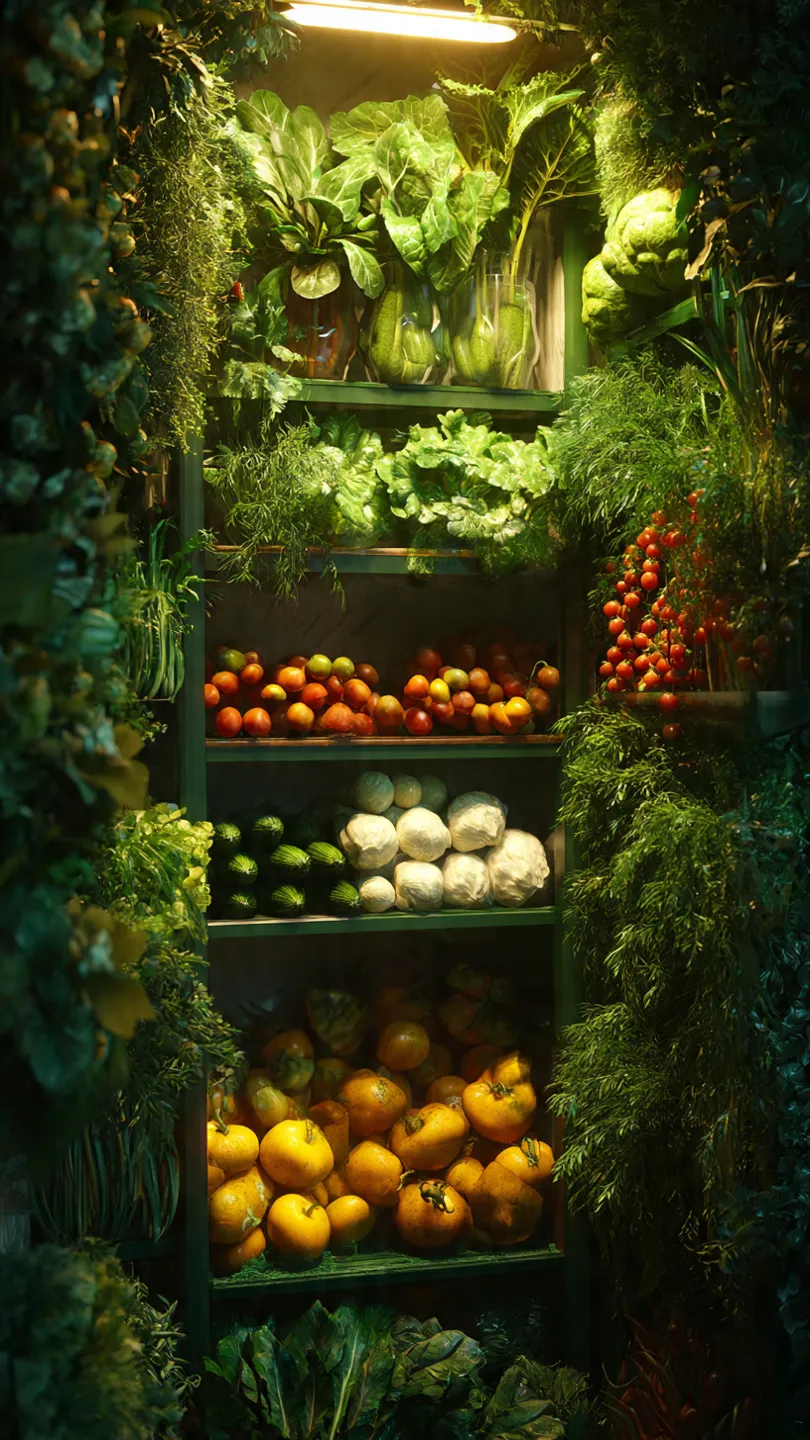
Growing indoor vegetables is an excellent way to enjoy fresh, healthy produce year-round, even when outdoor gardening isn’t an option. Indoor vegetable gardening not only ensures nutrient-rich meals, but also adds greenery to your living space, improves air quality, and provides a rewarding hobby.
With proper care, lighting, and space management, even small apartments can support thriving indoor vegetable gardens. In this guide, we’ll explore popular indoor vegetables, their care requirements, and tips for creating a productive indoor garden.
Cherry Tomatoes
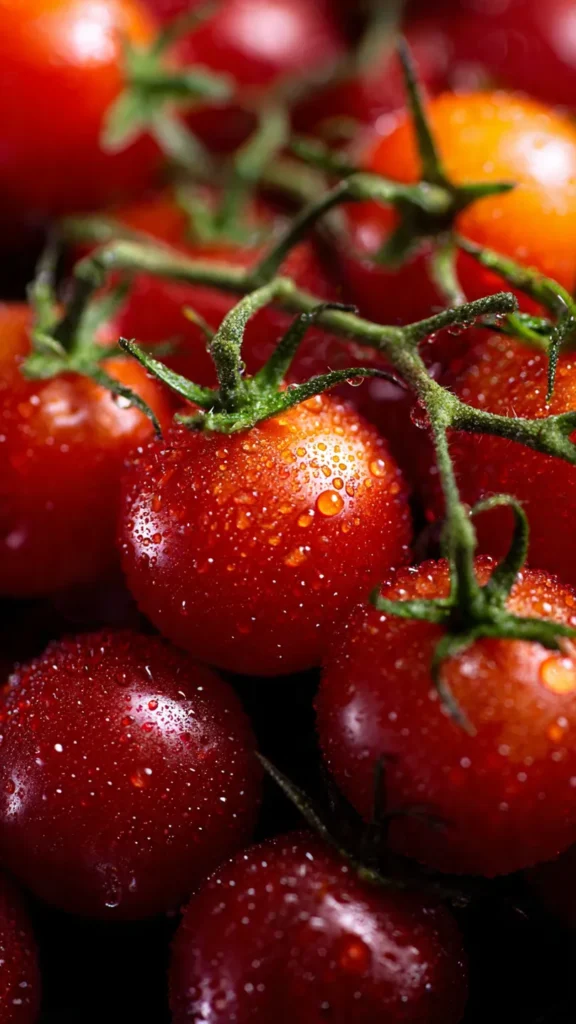
Cherry tomatoes are a favorite for indoor gardeners due to their compact size, fast growth, and abundant yields.
- Light Requirements: At least 6–8 hours of bright sunlight or grow lights.
- Soil: Well-draining potting mix rich in organic matter.
- Watering: Keep soil evenly moist but avoid waterlogging.
- Tips: Use small stakes or cages for support and regularly prune excess foliage to improve air circulation.
Indoor cherry tomatoes can produce vibrant, sweet fruits throughout the year, making them a delightful addition to salads, sauces, and snacks.
Bell Peppers
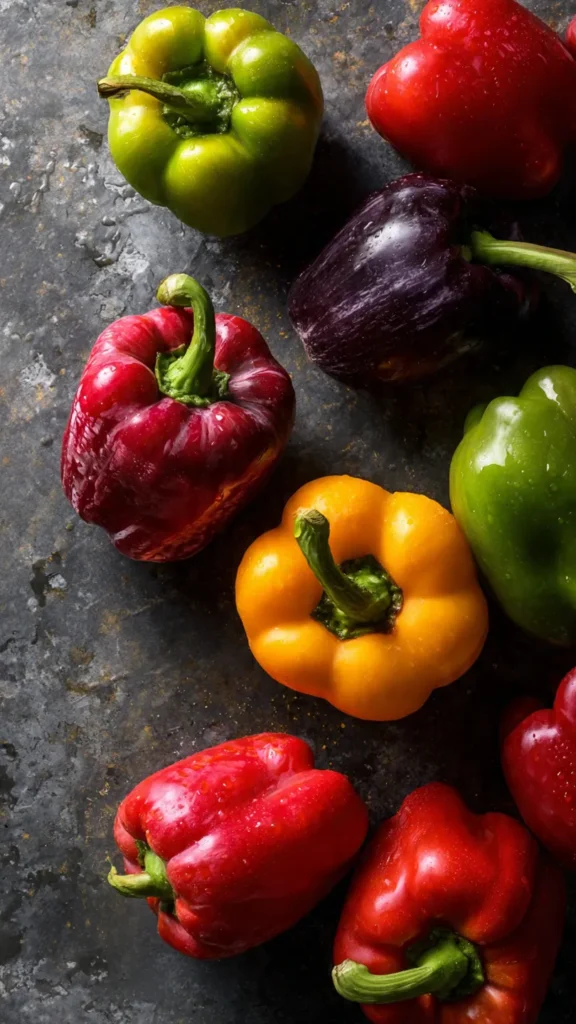
Bell peppers are another versatile indoor vegetable, offering crisp texture and vibrant colors.
- Light Requirements: 12–16 hours of bright light daily using grow lights or sunny windows.
- Temperature: Ideal daytime temperatures of 70–80°F and slightly cooler nights.
- Soil: Fertile, well-draining soil with a slightly acidic to neutral pH.
- Tips: Pinch off early flowers to encourage stronger plant growth and use small pots for compact varieties.
Indoor bell peppers thrive with consistent watering, proper fertilization, and a stable environment, delivering fresh produce all year.
Herbs
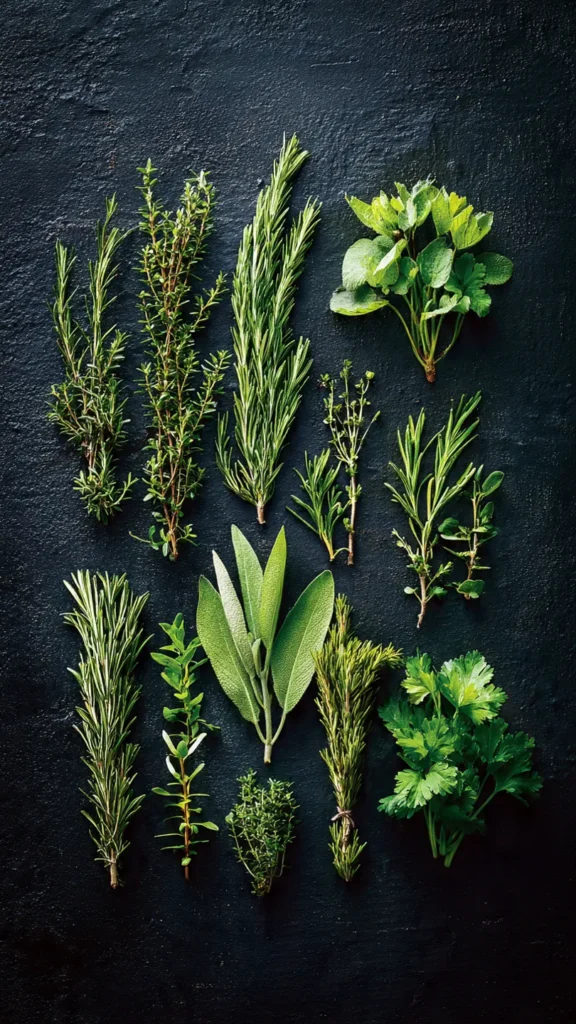
Herbs are perfect for indoor gardening due to their compact size and fast growth. Popular indoor herbs include basil, parsley, thyme, rosemary, and mint.
- Light Requirements: Most herbs need 6–8 hours of sunlight or supplemental grow lights.
- Soil: Light, well-draining potting soil.
- Watering: Water when the top inch of soil feels dry. Avoid overwatering to prevent root rot.
- Tips: Regular pruning encourages bushy growth and prevents flowering, which can reduce flavor.
Indoor herbs not only enhance culinary creations but also add aromatic freshness to your home environment.
Spinach
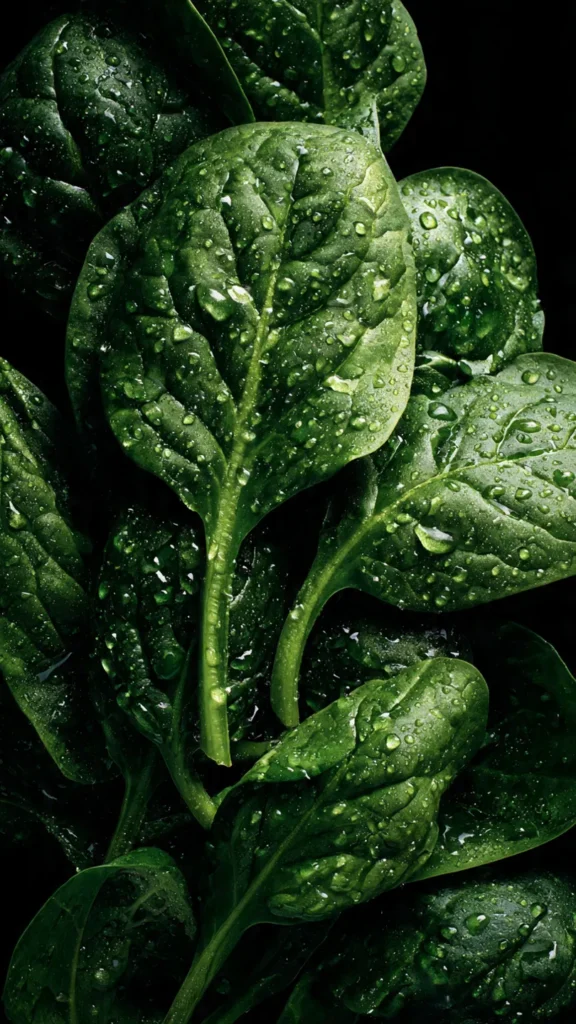
Spinach is a nutrient-rich leafy green that grows well indoors, even in limited spaces.
- Light Requirements: 10–12 hours of bright, indirect light.
- Soil: Loose, fertile, well-draining soil.
- Watering: Keep soil consistently moist; avoid soggy conditions.
- Tips: Harvest outer leaves first to encourage continuous growth.
Spinach thrives in cool indoor temperatures, making it ideal for winter or low-light conditions. Freshly harvested leaves can be used for salads, smoothies, and cooking.
Radishes
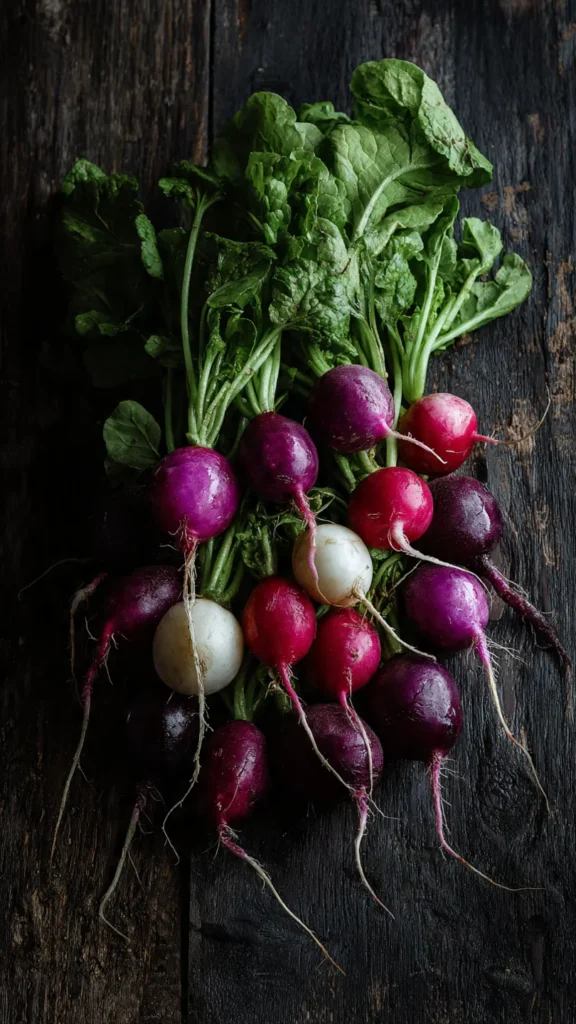
Radishes are fast-growing, easy-to-grow root vegetables that are perfect for beginners.
- Light Requirements: 6–8 hours of sunlight or equivalent grow light exposure.
- Soil: Loose, sandy, well-draining soil to allow proper root development.
- Watering: Keep soil evenly moist for crisp, flavorful roots.
- Tips: Harvest small radishes early for best taste; avoid letting them overgrow, which can make them woody.
Radishes add color and crunch to salads and sandwiches while providing quick indoor gardening gratification.
Green Onions

Green onions (scallions) are ideal for space-saving indoor gardens. They can grow in soil or even water, making them versatile for indoor setups.
- Light Requirements: 6–8 hours of sunlight or artificial light.
- Soil: Well-draining potting soil or hydroponic setup.
- Watering: Keep soil moist; change water regularly if growing hydroponically.
- Tips: Harvest outer stalks first for continuous growth, allowing inner stalks to mature.
Green onions are low-maintenance, grow quickly, and provide fresh garnish options for meals year-round.
Cucumbers

Cucumbers are slightly more challenging but rewarding indoor vegetables for those with vertical space.
- Light Requirements: 12–16 hours of bright light daily.
- Temperature: 70–75°F during the day; avoid cold drafts.
- Soil: Fertile, well-draining soil with ample organic matter.
- Tips: Train vines using trellises or supports, prune regularly, and ensure consistent watering to prevent bitterness.
Compact or bush varieties are ideal for indoor spaces, producing crisp, juicy cucumbers for salads and snacks.
How to Maximize Indoor Vegetable Growth
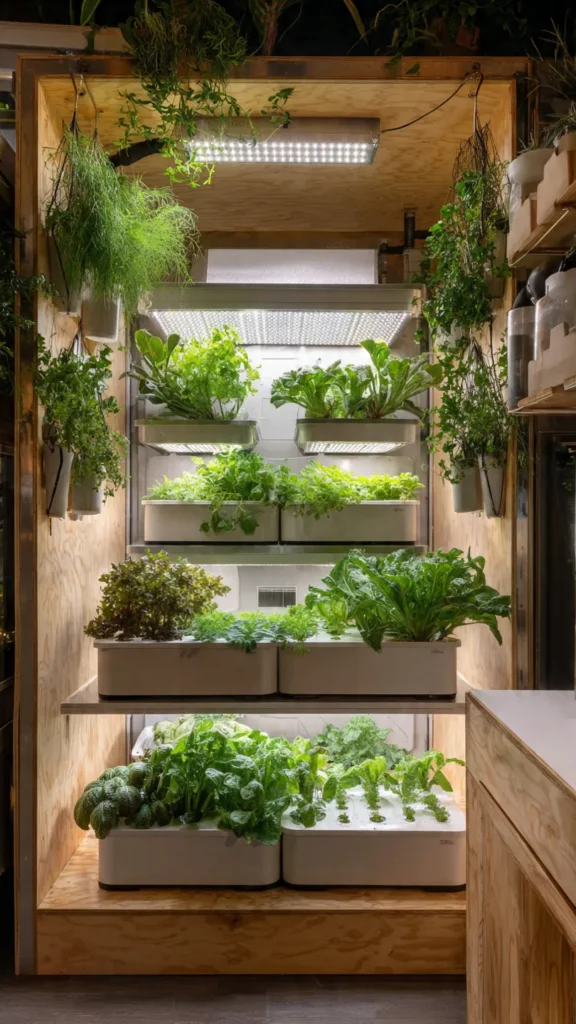
Successful indoor vegetable gardening relies on light, temperature, soil quality, and space management.
- Lighting: Use grow lights if natural sunlight is limited, especially in winter.
- Containers: Choose pots with drainage holes and suitable sizes for each plant.
- Soil & Fertilizer: High-quality potting soil with occasional liquid fertilizer ensures optimal growth.
- Humidity & Airflow: Keep air circulation steady and maintain moderate humidity to prevent pests and mold.
By optimizing these factors, your indoor garden can produce healthy, flavorful vegetables throughout the year.
Final Thoughts on Indoor Vegetables
Indoor vegetables are a practical and rewarding way to grow fresh produce at home, regardless of space or season. From fast-growing radishes and green onions to fruiting cherry tomatoes and bell peppers, there’s a variety of vegetables suited for indoor cultivation.
With careful attention to light, soil, watering, and temperature, your indoor vegetable garden can thrive, providing nutritional benefits, visual appeal, and the satisfaction of growing your own food.
FAQs Abouts Indoor Vegetables
What are Indoor Vegetables?
Indoor vegetables are plants grown inside your home using pots, containers, or hydroponic systems, allowing you to enjoy fresh produce year-round regardless of outdoor conditions.
Which indoor vegetables are easiest to grow?
Easy-to-grow indoor vegetables include cherry tomatoes, radishes, green onions, bell peppers, spinach, cucumbers, and herbs like basil and parsley.
How much light do indoor vegetables need?
Most indoor vegetables require 6–16 hours of bright light daily. Use south-facing windows or supplemental LED grow lights to ensure proper growth and flowering.
What soil is best for indoor vegetables?
Use well-draining, fertile potting soil rich in organic matter. Avoid garden soil, which may be too dense and increase the risk of pests or disease.
How often should I water indoor vegetables?
Watering frequency depends on the plant type, pot size, and environment. Generally, keep soil evenly moist but avoid overwatering to prevent root rot.
Can I grow fruiting vegetables indoors?
Yes, fruiting vegetables like cherry tomatoes, bell peppers, and cucumbers can thrive indoors with adequate light, temperature, and proper support for vines.
Do indoor vegetables need fertilizer?
Yes, applying a balanced liquid fertilizer every 2–4 weeks during the growing season promotes healthy foliage and productive yields.
How can I prevent pests in indoor vegetable gardens?
Ensure good air circulation, avoid overwatering, regularly inspect plants, and use natural remedies or insecticidal soap if pests like aphids or spider mites appear.
Which herbs grow best indoors?
Popular indoor herbs include basil, parsley, thyme, rosemary, and mint. They require 6–8 hours of sunlight or supplemental grow lights.
Why are indoor vegetables popular for home gardening?
Indoor vegetables allow homeowners to enjoy fresh, nutritious produce year-round, save money, add greenery to interiors, and engage in a rewarding and low-maintenance hobby.