
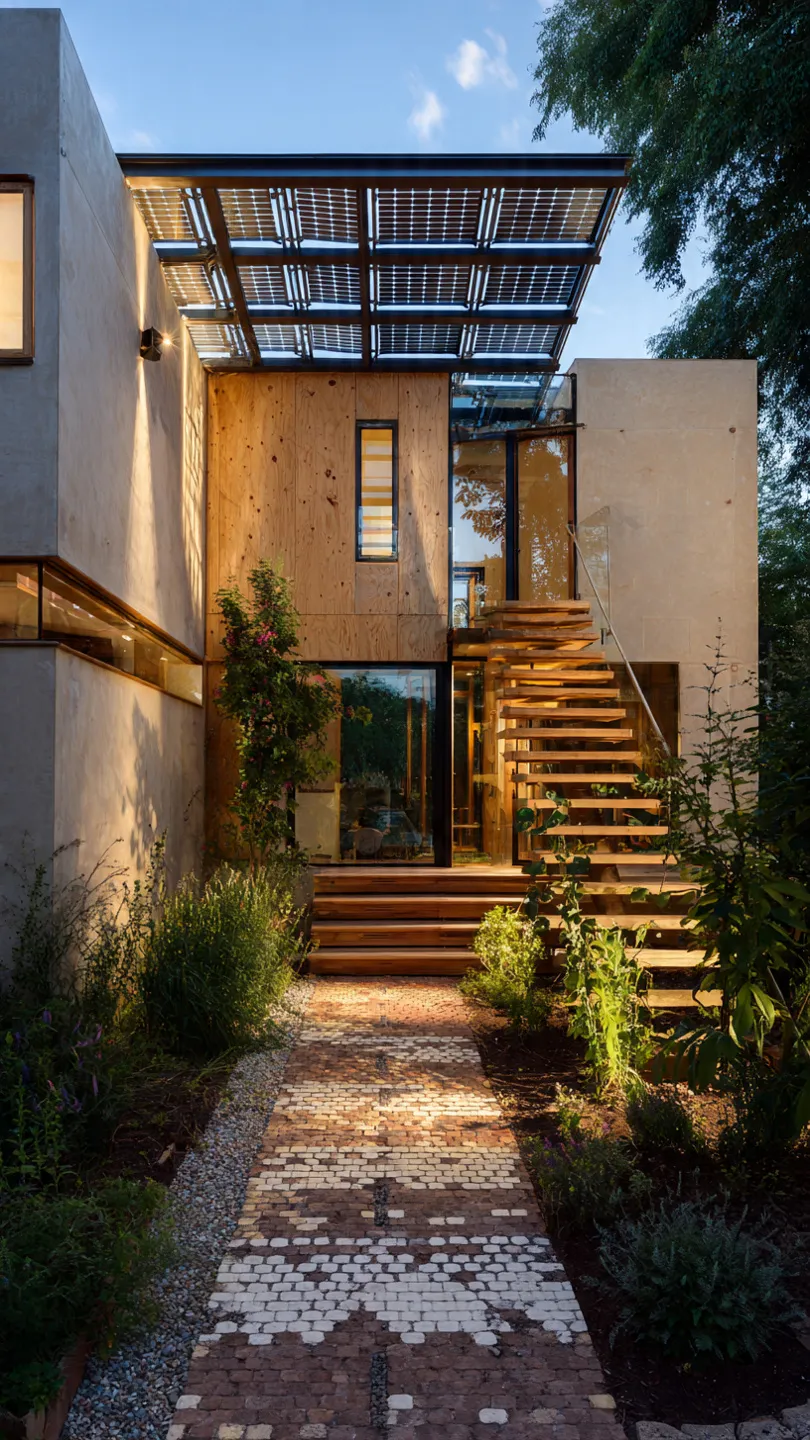
Sustainable home projects are no longer just a trend—they are a practical solution for saving money, reducing environmental impact, and creating a healthier living space. From energy-efficient upgrades to creative recycling ideas, sustainable home projects help homeowners make long-term improvements while protecting the planet.
This guide explores simple yet powerful sustainable home projects that improve comfort, efficiency, and environmental responsibility without requiring major renovations.
Upcycled Furniture

Upcycled furniture is one of the most creative and cost-effective sustainable home projects. Instead of throwing old furniture away, upcycling transforms unused or outdated pieces into stylish, functional items.
Old wooden chairs, tables, cabinets, or dressers can be repainted, refinished, or repurposed into modern decor. This reduces waste and minimizes the demand for new furniture production, which often consumes large amounts of energy and raw materials.
Benefits of upcycled furniture:
- Reduces landfill waste
- Saves money on new furniture
- Adds unique, custom character to your home
- Encourages creativity and craftsmanship
Upcycled furniture also allows homeowners to personalize their living spaces while supporting sustainability at the same time.
Rainwater Harvesting System
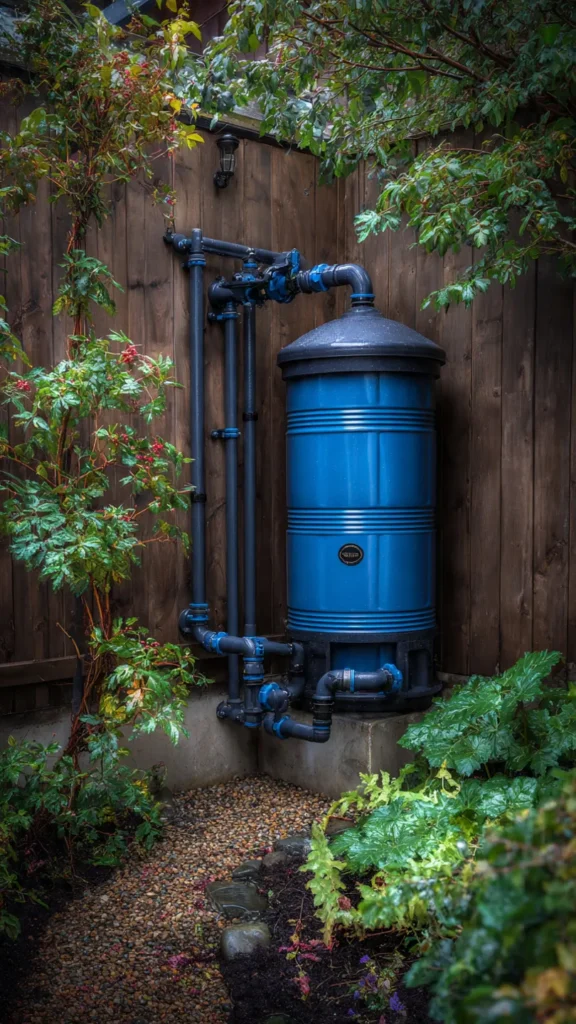
A rainwater harvesting system is one of the most impactful sustainable home projects for water conservation. It collects rainwater from rooftops and stores it for later use, reducing dependence on municipal water supplies.
Collected rainwater can be used for:
- Garden watering
- Cleaning outdoor spaces
- Washing vehicles
- Non-potable household tasks
Installing a rainwater harvesting system helps lower water bills and supports eco-friendly living, especially in areas where water scarcity is a concern.
Modern systems are easy to maintain and can be scaled to fit small homes or large properties, making them accessible for most homeowners.
Energy-Efficient Lighting
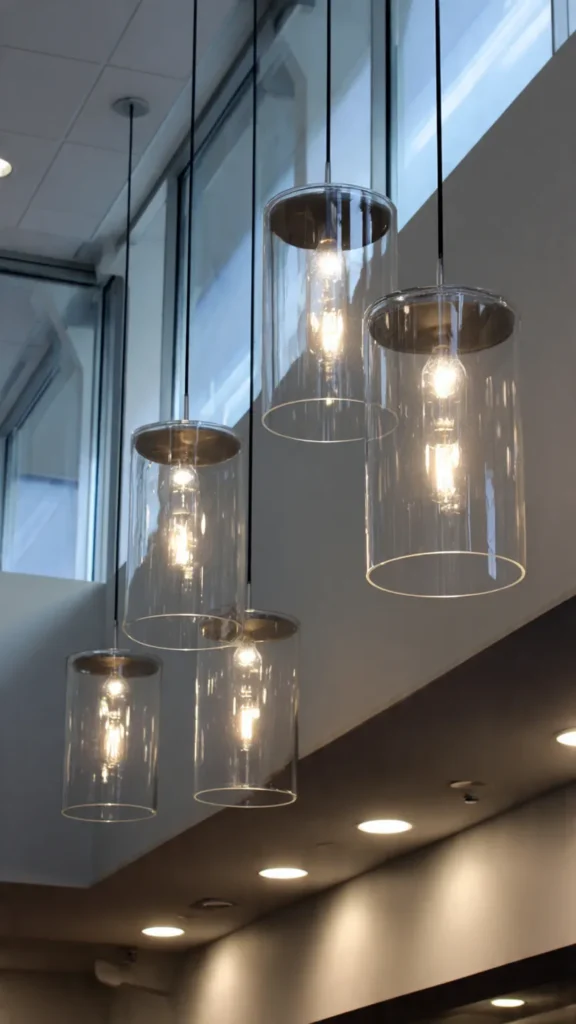
Energy-efficient lighting is one of the simplest sustainable home projects with immediate results. Replacing traditional bulbs with LED or energy-saving lighting reduces electricity consumption significantly.
Why energy-efficient lighting matters:
- Uses up to 80% less energy
- Lasts much longer than traditional bulbs
- Lowers electricity bills
- Reduces carbon emissions
Energy-efficient lighting can be installed throughout the home, including kitchens, living rooms, bedrooms, and outdoor spaces. Smart lighting systems further enhance efficiency by allowing scheduling and remote control.
This small upgrade delivers big environmental and financial benefits.
Composting Station
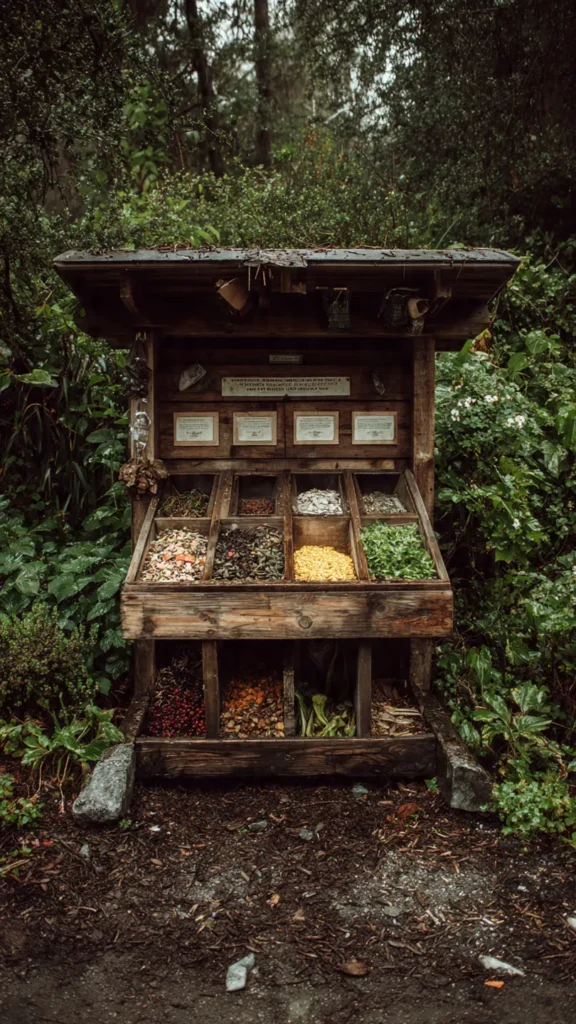
A composting station is an excellent sustainable home project that turns organic waste into nutrient-rich compost. Instead of sending food scraps to landfills, composting recycles waste back into the soil.
Common compost materials include:
- Fruit and vegetable scraps
- Coffee grounds
- Eggshells
- Yard waste
A composting station reduces household waste, lowers methane emissions, and produces natural fertilizer for gardens and plants.
Indoor and outdoor composting options are available, making this project suitable for apartments and houses alike.
Smart Thermostat
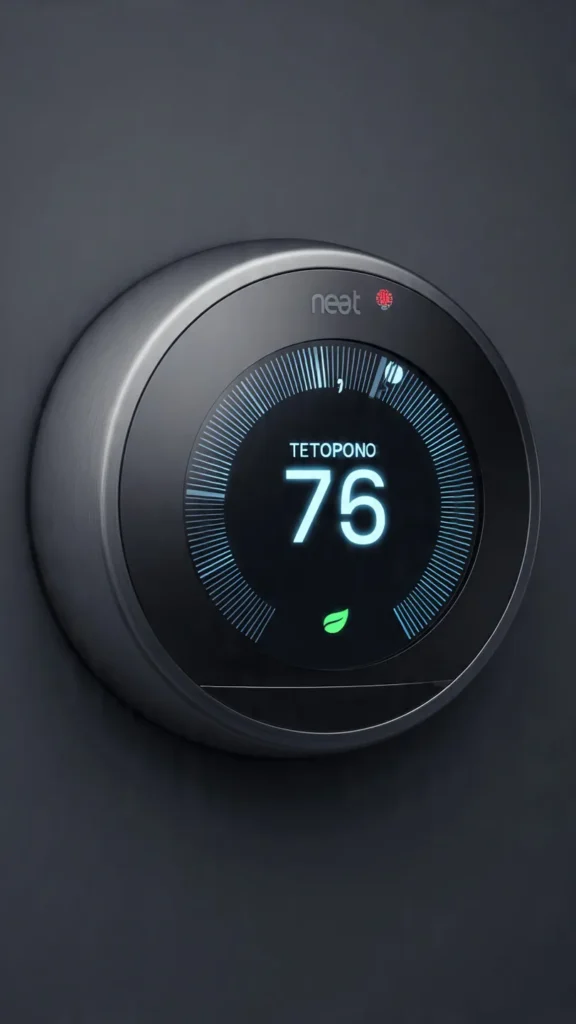
Installing a smart thermostat is a modern sustainable home project that optimizes energy usage and improves comfort. Smart thermostats automatically adjust temperature settings based on daily routines, weather conditions, and occupancy.
Advantages of smart thermostats:
- Reduces heating and cooling costs
- Improves energy efficiency
- Provides real-time energy usage insights
- Can be controlled remotely via mobile apps
By minimizing unnecessary energy consumption, smart thermostats play a key role in creating an eco-friendly and cost-efficient home environment.
Indoor Herb Garden
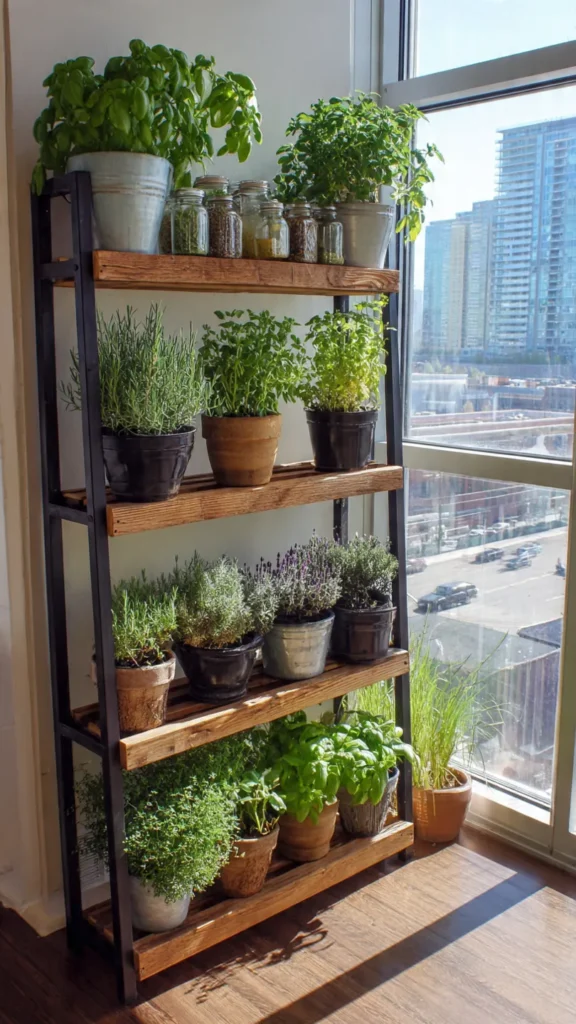
An indoor herb garden is a sustainable home project that combines health, convenience, and eco-conscious living. Growing herbs at home reduces the need for store-bought packaged herbs and lowers food transportation emissions.
Popular indoor herbs include:
- Basil
- Mint
- Rosemary
- Parsley
- Thyme
Indoor herb gardens improve indoor air quality, enhance cooking flavors, and promote sustainable food practices. They require minimal space and can thrive on windowsills, shelves, or kitchen counters.
This project is perfect for beginners looking to start sustainable living at home.
Why Sustainable Home Projects Matter
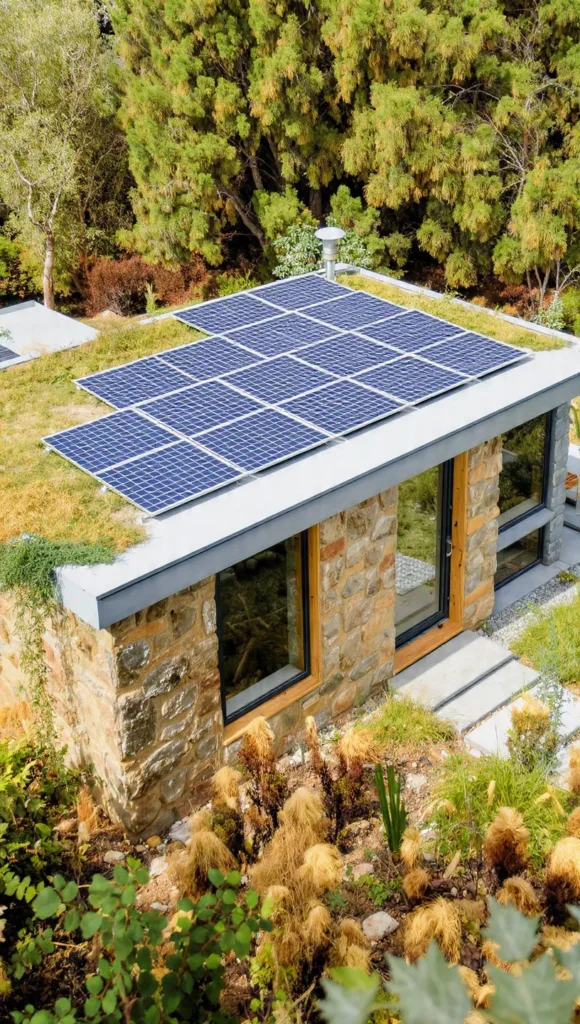
Sustainable home projects provide long-term benefits beyond environmental protection. They:
- Lower energy and water bills
- Improve indoor air quality
- Increase property value
- Promote responsible consumption
- Support a healthier lifestyle
By adopting sustainable practices, homeowners contribute to a greener future while enjoying immediate cost savings and improved comfort.
Tips for Starting Sustainable Home Projects
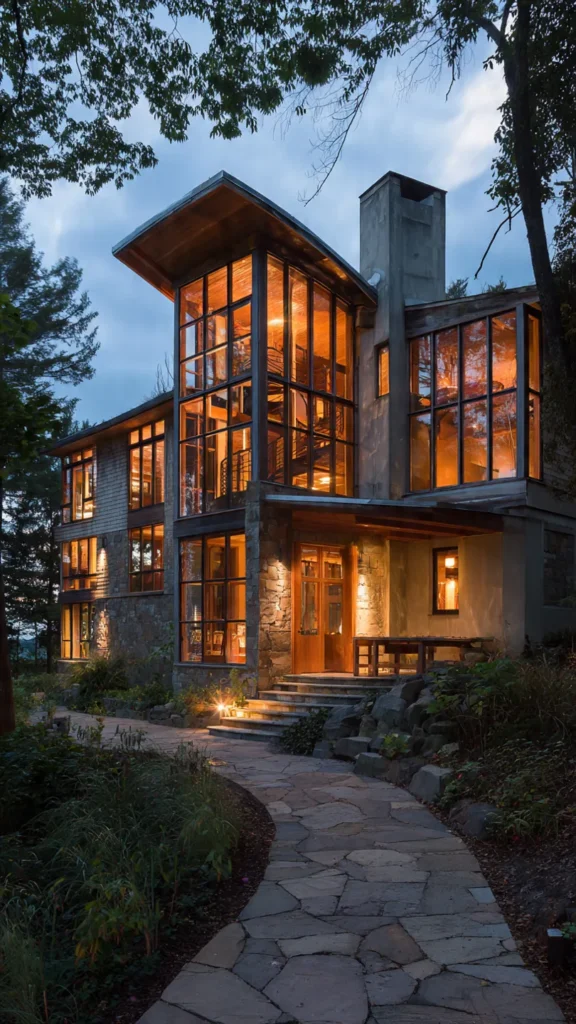
- Start small and scale gradually
- Focus on energy and water efficiency first
- Reuse and recycle whenever possible
- Invest in long-term solutions
- Track savings and environmental impact
Final Thoughts
Sustainable home projects offer practical solutions for eco-friendly living without sacrificing comfort or style. Whether it’s upcycled furniture, energy-efficient lighting, or an indoor herb garden, each project contributes to a healthier home and planet.
By incorporating sustainable home projects into daily life, homeowners make responsible choices that benefit both the environment and their wallets. Small changes today lead to lasting impact tomorrow.
FAQs Abouts Sustainable Home Projects
- What are sustainable home projects?
Sustainable home projects are eco-friendly improvements that reduce environmental impact, save energy and water, and promote healthier living by using efficient systems, recycled materials, and smart technology. - Why should homeowners invest in sustainable home projects?
Homeowners benefit from lower utility bills, improved indoor air quality, increased property value, and long-term cost savings while contributing to environmental protection. - What is upcycled furniture and how does it support sustainability?
Upcycled furniture involves transforming old or unused items into functional pieces, reducing waste, conserving resources, and minimizing the need for new furniture production. - How does a rainwater harvesting system work?
A rainwater harvesting system collects rainwater from rooftops, stores it in tanks, and reuses it for gardening, cleaning, and other non-potable household purposes. - Is energy-efficient lighting really effective?
Yes, energy-efficient lighting such as LED bulbs uses significantly less electricity, lasts longer, and reduces carbon emissions while lowering monthly energy costs. - What can be composted in a home composting station?
Common compost materials include fruit and vegetable scraps, coffee grounds, eggshells, and yard waste, which break down into nutrient-rich compost for plants. - How does a smart thermostat help save energy?
A smart thermostat automatically adjusts heating and cooling based on usage patterns and occupancy, preventing energy waste and improving overall efficiency. - Can sustainable home projects be done in apartments?
Yes, many projects like energy-efficient lighting, indoor composting, smart thermostats, and indoor herb gardens are suitable for apartments and small spaces. - What are the benefits of having an indoor herb garden?
An indoor herb garden provides fresh herbs, reduces food packaging waste, improves indoor air quality, and encourages sustainable food practices. - Which sustainable home project should beginners start with?
Beginners can start with simple projects like switching to energy-efficient lighting, setting up a composting station, or growing an indoor herb garden.