
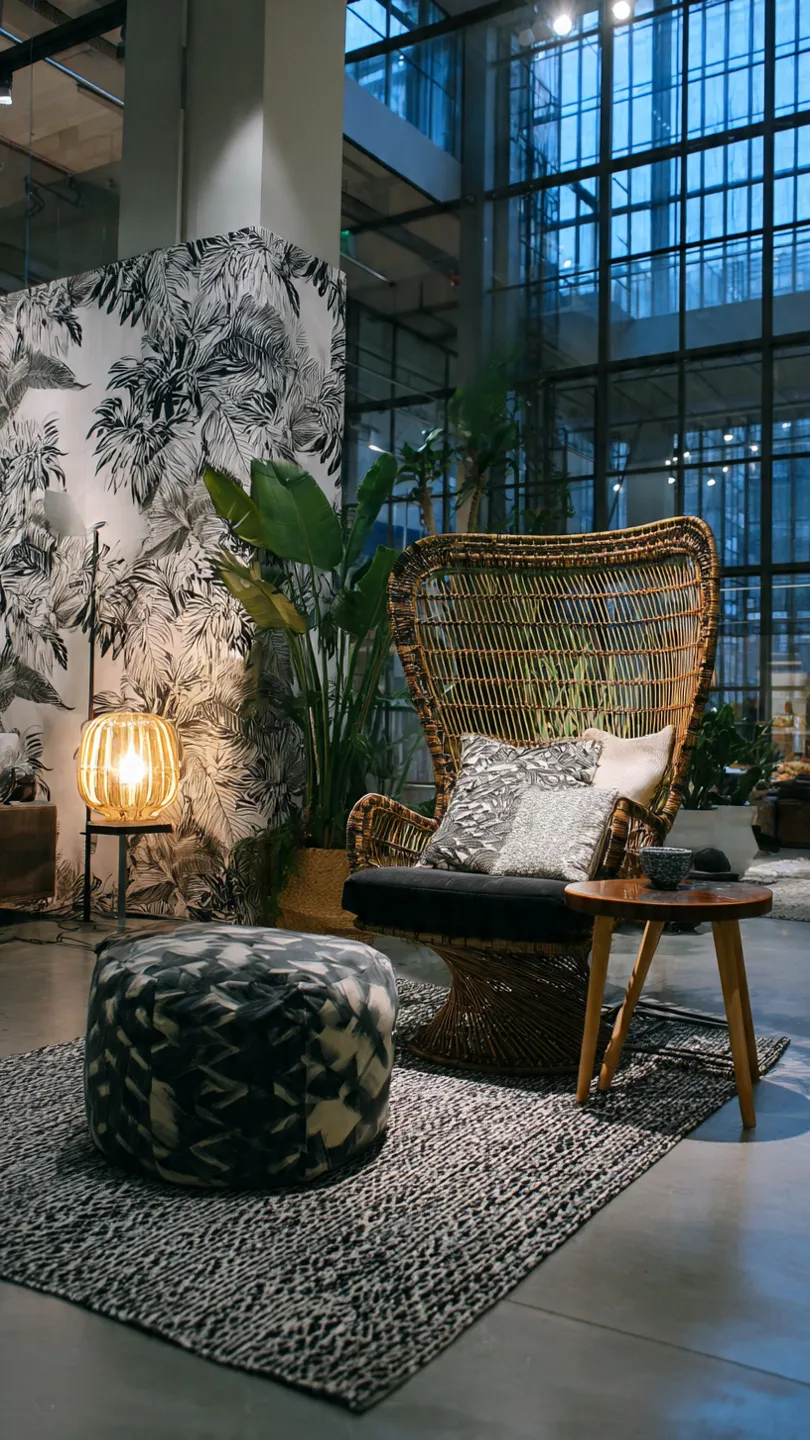
Sustainable Interior Design isn’t just a trend — it’s a movement reshaping the future of how we live. Today’s homeowners want more than beauty; they want balance — between comfort, creativity, and environmental responsibility.
This design approach focuses on minimizing waste, conserving energy, and using eco-conscious materials that last for years. It’s about transforming your home into a healthy, mindful, and planet-friendly sanctuary.
Let’s explore practical ways to make your interiors greener, smarter, and timeless through sustainability-driven choices.
Eco-Friendly Interior Design
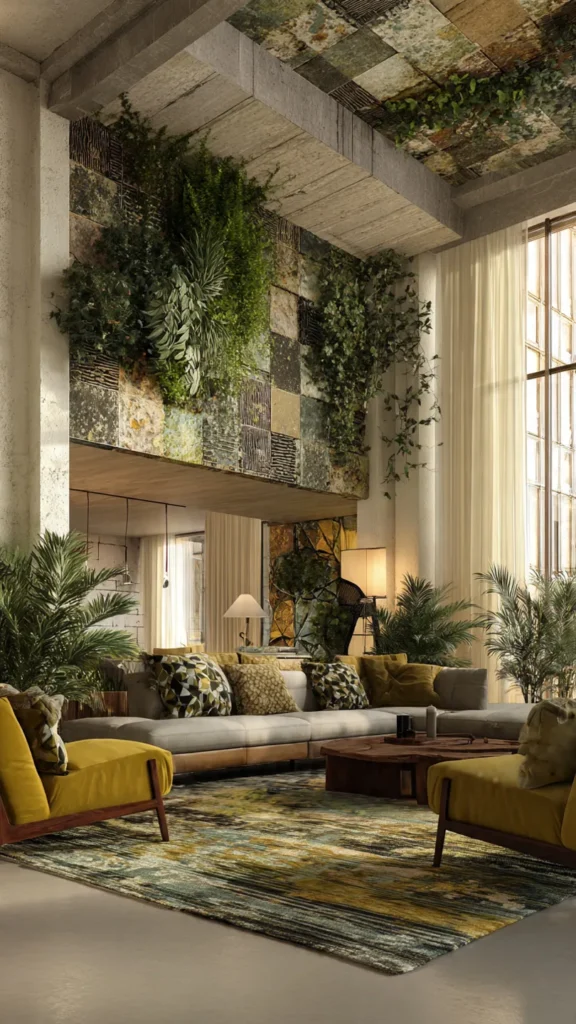
Eco-Friendly Interior Design focuses on creating stylish spaces that are both functional and kind to the environment. It’s about smart material choices and mindful design decisions that reduce carbon footprint without sacrificing comfort or beauty.
Key Principles:
- Use Natural Materials: Choose bamboo, cork, jute, or reclaimed wood for furniture and flooring.
- Low-VOC Paints: Opt for non-toxic paints and finishes to improve indoor air quality.
- Energy Efficiency: Switch to LED lighting, solar panels, and smart thermostats.
Even small steps, like adding houseplants or maximizing natural light, make a big difference. Plants purify the air while connecting your space to nature — a core principle of sustainable living.
Sustainable Home Decor
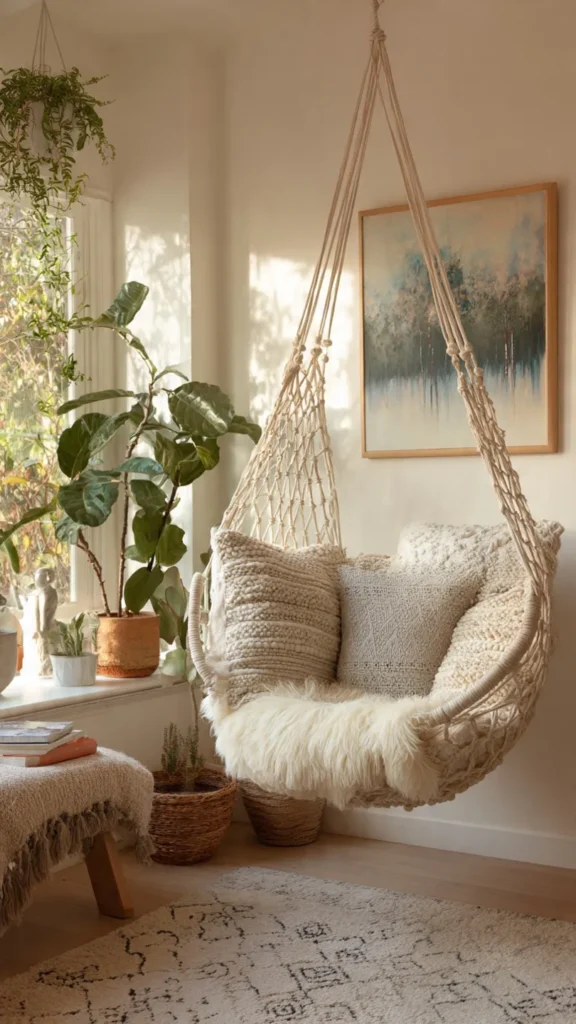
Sustainable Home Decor celebrates the idea of “buy less, choose well.” Instead of constantly replacing items, focus on durable, timeless designs that can evolve with your home.
Ideas to Try:
- Upcycle and Repurpose: Turn old furniture into new treasures. Repaint, reupholster, or repurpose instead of discarding.
- Ethically Sourced Pieces: Support brands that prioritize fair trade and sustainable manufacturing.
- Minimal Waste: Avoid mass-produced decor. Choose handmade or vintage items with a story to tell.
A truly sustainable home doesn’t follow fast trends — it tells a personal story through conscious choices.
Green Living Spaces
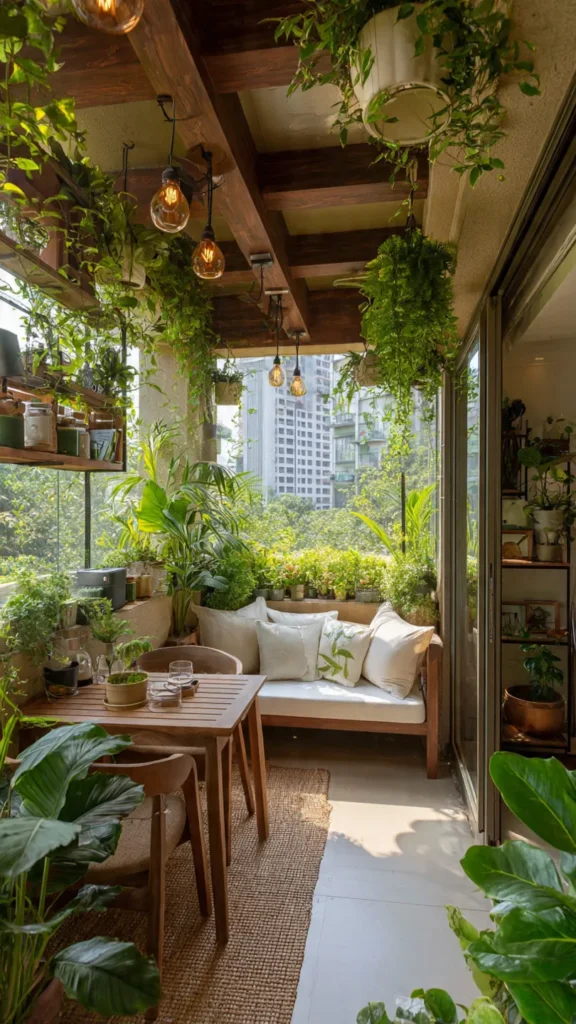
A Green Living Space is a home designed around balance — between people and the planet. It uses natural energy, efficient design, and biophilic elements to create environments that nourish well-being.
Tips for Greener Living Spaces:
- Maximize Daylight: Position furniture to capture sunlight, reducing energy consumption.
- Natural Ventilation: Keep windows open often for better airflow and indoor freshness.
- Biophilic Design: Add plants, natural textures, and water features for harmony and calmness.
These small changes have a big impact. Studies show that green interiors improve focus, reduce stress, and boost productivity — a win for both mental health and sustainability.
Recycled Furniture Ideas
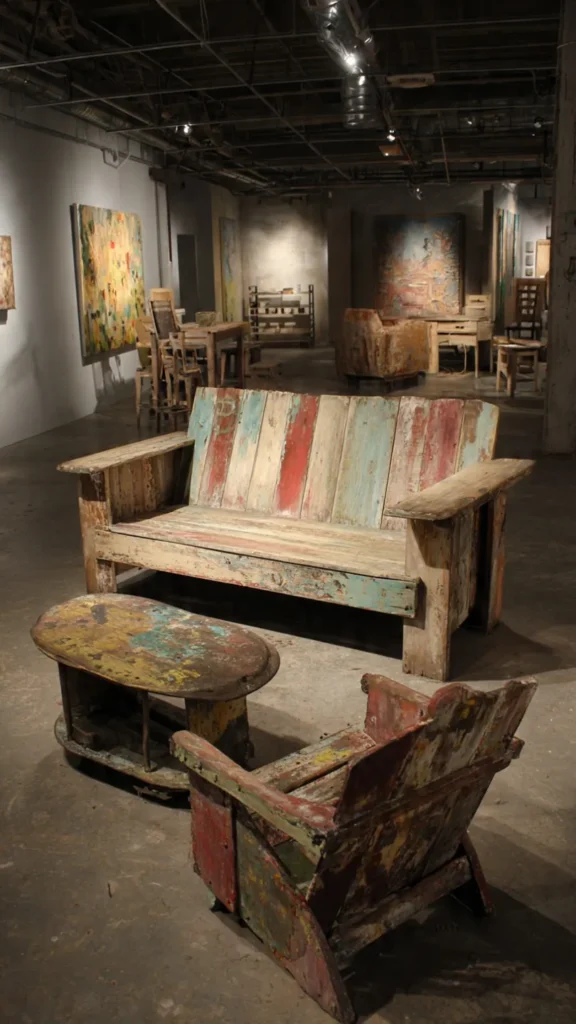
Recycled Furniture Ideas are at the heart of sustainable interior design. They combine creativity with conservation — proving that eco-living can be both stylish and affordable.
Creative Examples:
- Pallet Coffee Tables: Turn reclaimed wood pallets into rustic tables or shelving.
- Vintage Chair Makeovers: Sand, stain, or reupholster old chairs instead of buying new ones.
- Metal & Glass Upcycles: Use industrial materials like pipes or glass jars to craft unique decor.
This approach not only reduces landfill waste but also adds character to your interiors. Each recycled piece tells a story of innovation and sustainability.
Zero Waste Home Design
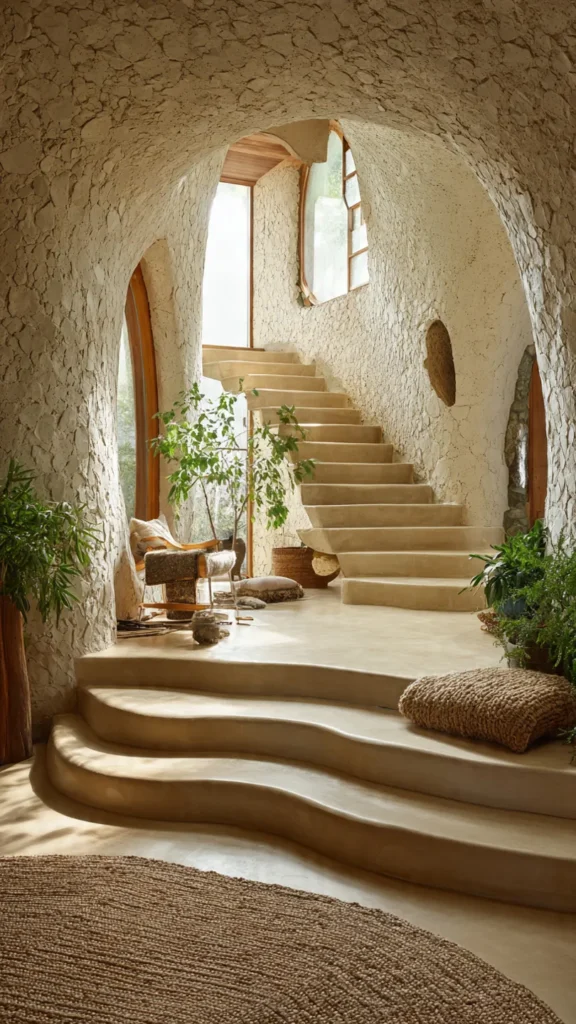
Zero Waste Home Design is about rethinking consumption — making the most of every resource without creating unnecessary waste. It’s a lifestyle that encourages simplicity, durability, and mindful choices.
Ways to Build a Zero Waste Home:
- Choose Multipurpose Furniture: Invest in pieces that serve more than one function, like foldable tables or modular sofas.
- Compost and Recycle: Create a waste management system that sorts recyclables, compostables, and reusables.
- Avoid Plastic Decor: Opt for biodegradable or long-lasting materials like stone, glass, and clay.
A zero waste interior isn’t just sustainable — it’s empowering. It encourages mindful consumption and proves that great design begins with responsibility.
Conclusion: Design for the Future, Live for the Planet
Sustainable Interior Design isn’t about perfection — it’s about progress. Every eco-conscious choice, from recycled furniture to zero-waste habits, contributes to a healthier home and a greener Earth.
Your living space should reflect your values — beautiful, functional, and future-focused.
Start small, design mindfully, and remember: sustainability never goes out of style.
FAQs Abouts Sustainable Interior Design
1. What is sustainable interior design?
Sustainable interior design is the practice of creating indoor spaces that are environmentally responsible, energy-efficient, and resource-conscious. It focuses on using eco-friendly materials, reducing waste, and designing for long-term durability while maintaining beauty and comfort. The goal is to create homes that support both human well-being and the planet.
2. What are the sustainable styles of interior design?
Popular sustainable interior design styles include Eco-Minimalism, Scandinavian Green, Modern Rustic, and Boho Natural. These styles prioritize natural materials, low-impact manufacturing, repurposed furniture, and clean, breathable spaces that promote harmony with nature.
3. What is the 3-5-7 rule in interior design?
The 3-5-7 rule in interior design refers to decorating in odd-numbered groupings. Items arranged in sets of 3, 5, or 7 create visual balance and aesthetic interest. This rule helps sustainable designers showcase decor pieces — like plants, candles, or recycled items — in a way that feels organic and visually appealing.
4. What is an example of sustainable interior design?
An example of sustainable interior design is a home furnished with reclaimed wood furniture, energy-efficient LED lighting, organic cotton textiles, and low-VOC paint. These choices minimize environmental impact while creating a comfortable and timeless living space.
5. What are the 4 types of sustainability?
The four types of sustainability are Environmental, Economic, Social, and Cultural. In interior design, this means using eco-conscious materials (environmental), supporting ethical brands (economic), promoting fair labor (social), and preserving traditional craftsmanship (cultural).
6. What is the 70/30 rule in interior design?
The 70/30 rule means that 70% of a room should reflect a dominant theme, color, or texture, while 30% should include accent or contrast elements. In sustainable interiors, this could mean 70% neutral, natural tones and 30% bold, recycled, or handcrafted pieces to add personality.
7. What are the 5 C’s of sustainability?
The 5 C’s of sustainability are Clarity, Consistency, Creativity, Collaboration, and Commitment. These principles guide sustainable designers to create long-lasting, meaningful spaces that balance environmental awareness with aesthetic innovation.
8. Which color is eco-friendly?
Eco-friendly colors are inspired by nature — such as earthy greens, warm browns, soft beiges, sky blues, and muted clay tones. These shades promote calmness, reduce visual clutter, and pair beautifully with natural materials like wood, stone, and linen.
9. What is the 50/50 rule for sustainable interior design?
The 50/50 rule suggests balancing new and reused materials — 50% sustainable or recycled items and 50% modern essentials. This approach keeps interiors stylish while reducing environmental impact, ensuring every design choice is both practical and planet-friendly.